

What is Flexible Anode
There is a continuous copper cable in the flexible anode. The current amount and length of the cable and the piggyback anode should be matched. The nominal cross-sectional area should be ≥ 10mm2. The insulation material of the cable should be resistant to the high chlorine and high oxidation environment of the anode operation. The thickness of the insulation layer should meet the requirements of the anode life. Xlpe/pvc cables are used for general soil environment, and pvdf/hmwpe cables are used for chloride or chemical pollution environment.
Di Noer Technology Co., Ltd.— Professional Titanium Anode Manufacturing Factory
Direct Manufacturer · In-house Production · Stable Supply · Customization Available
●Core Manufacturing Capabilities
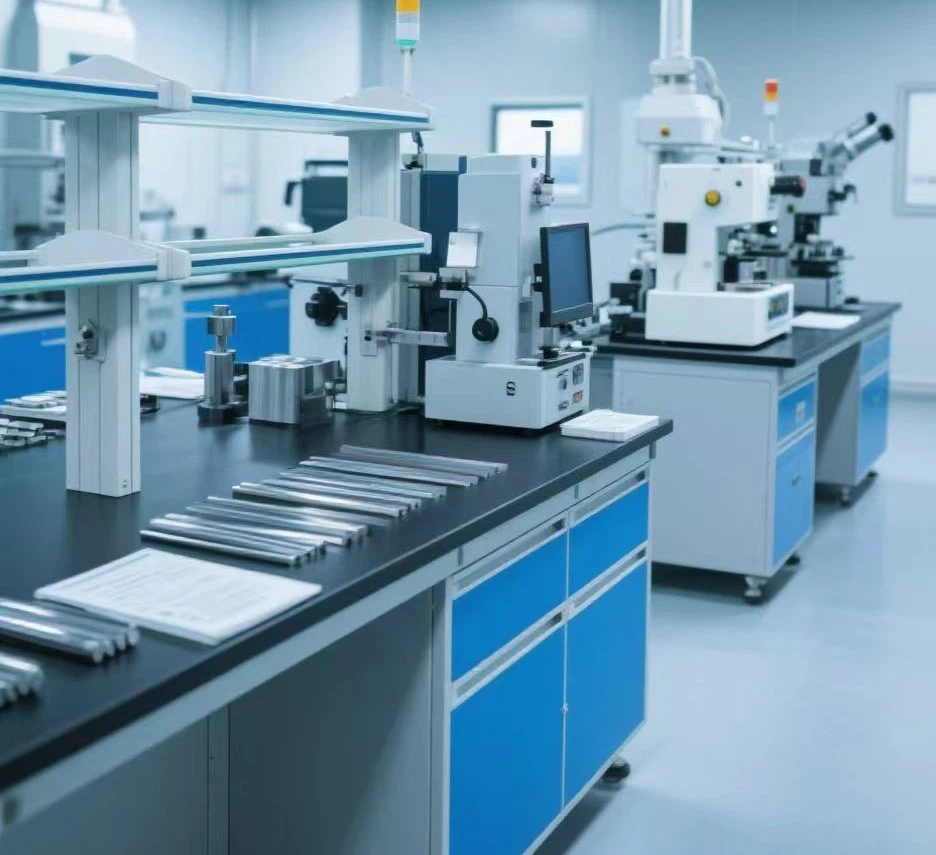
●Modern Production Facility
Workshop Area: 1200㎡ (600㎡ for Flexible Anode Workshop + 600㎡ for MMO Coating Workshop)
Fully Automated Lines: 6 dedicated titanium anode production lines
Strict Quality Control: ISO 9001 Quality Management System, 99%+ pass rate at factory inspection
-
![Cathodic Protection Cable]() Add to Inquiry
Add to Inquiry -
![Flexible Anode For Cathodic Protection]()
Flexible Anode For Cathodic Protection
Add to Inquiry -
![Flexible Anode]() Add to Inquiry
Add to Inquiry -
![Conductive Polymer Flexible Anode]()
Conductive Polymer Flexible Anode
Add to Inquiry -
![Polymer Flexible Anode]() Add to Inquiry
Add to Inquiry -
![MMO Flexible Anode]() Add to Inquiry
Add to Inquiry -
![MMO Ti Linear Anode]() Add to Inquiry
Add to Inquiry -
![MMO Linear Wire Anode]() Add to Inquiry
Add to Inquiry


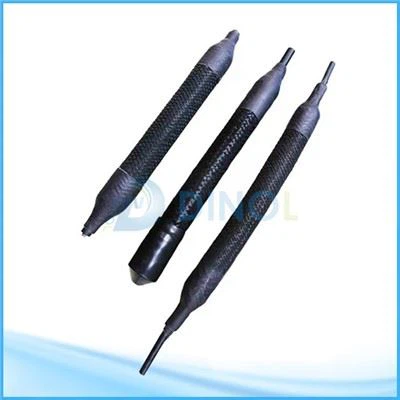

Advanced Processes & Equipment
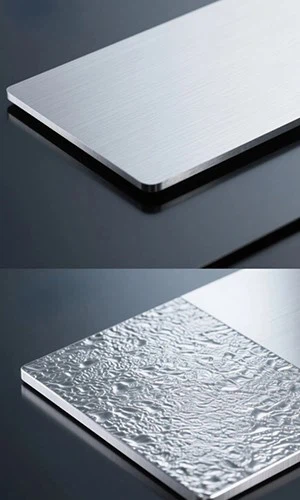
Titanium Substrate Processin
Precision laser cutting (±0.1mm), sandblasting and acid pickling (Sa≥3.2μm)
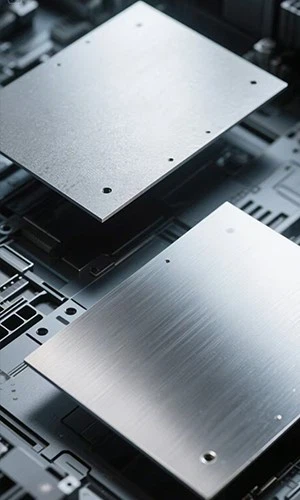
MMO Coating
Imported coating systems + high-temperature sintering for uniform, durable coatings
Testing Laboratory
Salt spray testing (1000+ hours), XRF thickness gauge, electrochemical workstation
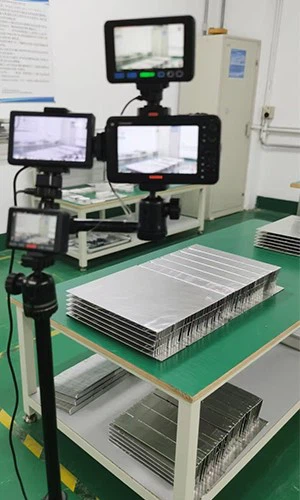
|
Process Step |
Equipment |
Technical Specs |
Quality Standard |
|
Titanium Processing |
TRUMPF German Laser Cutting Machine |
±0.05mm Tolerance |
ASTM B265 |
|
Surface Activation |
Sandblasting + Electrolytic Pickling Line |
Sa≥3.2μm |
ISO 8501-1 |
|
Coating Preparation |
Japanese Imported Coating System |
Coating Thickness Tolerance ≤5% |
DIN 4768 |
|
High-Temp Sintering |
Controlled Atmosphere Sintering Furnace |
Temp Fluctuation ±3℃ |
ISO 4536 |

Precision Machining Area (Dynamic Display)
Step 1: CNC Laser Cutting
Step 2: 3D Sandblasting Treatment
Coating Preparation Area
Constant temperature & humidity coating room
Multi-stage sintering process
Finished Product Testing Area
100% Current Efficiency Test
Salt Spray Test Sample Comparison before shipment
Flexible Supply Capability
In-stock Inventory: 32 standard models available, small batch trial orders supported
Fast Delivery: Standard orders shipped within 15 days, In-stock items shipped same day, Urgent orders: expedited production available
Global Logistics: Shock-proof packaging, supports sea/air/land transport
Certifications & Verified Data
Material Certification
ASTM B265 Gr1/Gr2 titanium
01
Performance Testing
IEC 62561-7 Conductivity Certification
02
Environmental Compliance
RoHS & REACH
03
Corrosion Resistance
Salt spray test reports
04
International Market Access
CE Certification (EU market)
05
Why Choose Dinoer?
Direct Supply from Factory
No middlemen, better cost-effectiveness
Flexible Customization
OEM for dimensions, coatings, shapes (plate/tube/mesh/strip/V-shape)
Rich Experience
Partnerships with top chemical & oil enterprises
Technical Support
Anode selection guidance + after-sales technical support
Supply Chain Strength – Dedicated Support for Key Accounts

✓ Flexible Capacity: Emergency allocation of 50,000㎡/month
✓ Inventory Strategy: 32 standard models in stock
✓ Logistics Solutions: Specialized anode packaging
✓ Case Studies: 3 consecutive years of zero complaints from multinational clients in Brazil & India
"Global Client Factory Audit Welcome – VIP Workshop Tour Available"
"Exclusive for Key Accounts: Custom Production Visualization System Integration"
📞 Welcome to Visit Our Factory!
📍 Address: Jinhai Industrial Park, Jintai District, Baoji City, Shaanxi, China
☎ Tel: 0917-3335462
📱 Mobile: +86 138 9245 5776
📧 Email: dinore@di-nol.com / dinore@foxmail.com
Titanium Anode Performance Data Table (Technical Edition)
|
Customer Concern |
Technical Parameter |
Test Method / Standard |
Customer Benefit |
|
Anode Lifespan |
- Substrate: ASTM B265 Gr1/Gr2 Titanium |
ASTM G31 Immersion Test |
Fewer replacements, 40%+ reduction in lifecycle cost |
|
Current Efficiency |
- Operating Current Density: 20–200A/m² |
Electrochemical Workstation Test |
Higher electrolysis efficiency, 30%+ energy savings |
|
Conductivity |
- Coating Resistivity: ≤50μΩ·cm |
Four-point Probe Test |
Lower power loss, ideal for high-current applications |
|
Corrosion Resistance |
- Acid-alkali range: pH 0–14 |
ASTM B117 Salt Spray Test |
Withstands extreme conditions, minimizes unplanned downtime |
|
Anode Form |
- Standard: Tubular (Φ10–200mm), Mesh (5–50 mesh), Plate (0.5–5mm thick) |
3D Scan Inspection |
Adaptable to complex installation needs |
|
Maintenance Cost |
- Maintenance Cycle: 5–8 years (standard use) |
LCC Lifecycle Cost Analysis |
Significant long-term cost advantage |
Benefits of Flexible Anode
Strong corrosion resistance
MMO flexible anode has excellent corrosion resistance, and can work in the field environment and industrial environment for a long time without being affected by severe corrosion.
Uniform current distribution
MMO flexible anodes are manufactured using a special electrolytic process, and the titanium coating on the surface can achieve uniform current distribution and avoid corrosion problems caused by current concentration.
Strong adaptability
MMO flexible anode has the advantages of light weight, easy bending, and easy installation. It can be customized and changed in shape according to needs to meet the needs of different working environments.
Long life
MMO flexible anode has a long service life, which can reach more than 20 years, which is longer than other anodes.
Low maintenance cost
Due to strong corrosion resistance and long life, MMO flexible anode does not require routine maintenance and replacement, which can reduce maintenance costs.
Easy to implement
Due to its light and easy to carry advantages, the construction process of MMO flexible anode is more convenient and quicker than other anodes.

Application of Flexible Anode
Anti-corrosion of reinforced concrete
Flexible Anode can be used for anti-corrosion of reinforced concrete structures and prolong the service life of structures.
Anti-corrosion of bridges
Bridge structures are often in humid, high temperature, acid rain and other environments, and Flexible Anode can also play a certain role in anti-corrosion in such environments.
Anti-corrosion of ships
Flexible Anode can be used for the protection of corroded parts of ships, such as pipelines, pumps and hull surfaces.
Anti-corrosion of oil and gas wells, mines, and storage tanks
For oil and gas wells, mines, storage tanks and other equipment, Flexible Anode can be used for anti-corrosion work to improve the service life of the equipment.
Urban water pipelines, sewage treatment plants, etc
Urban water pipelines, sewage treatment plants and other facilities also need anti-corrosion, and Flexible Anode can also provide certain anti-corrosion protection for them.
Components of Flexible Anode
Basic structure: Internal cable, MMO conductor, pre-filled petroleum calcined coke powder, textile covering layer, long fiber braided layer.
Internal cable: The continuous internal cable provides a stable current for the anode. 13 strands of copper wire are twisted to ensure flexibility.
MMO wire: As the main body of the anode, it is a mixture of iridium/tantalum oxide coated on the surface of the titanium wire.
Petroleum calcined coke powder: Reduce the contact resistance between the auxiliary anode (conductive polymer or MMO/Ti wire) and the soil, so that an electrochemical reaction occurs between the carbon powder/soil electrolyte around the auxiliary anode (MMO/Ti wire), thereby ensuring that the protected object is not electrochemically corroded and extending the service life of the auxiliary anode.
Textile covering layer: Wrap the carbon powder around the anode in a ring shape with a certain stacking density to ensure that the carbon powder will not be displaced, loosened, or scattered during storage, transportation, construction, and use, so as not to affect the normal use and life of the flexible anode.
Long fiber braided layer: The flexible anode protects the textile covering layer from wear during construction and installation, and further tightens and fixes the carbon powder and textile covering layer.
The Global Flexible Anode market is anticipated to rise at a considerable rate during the forecast period, between 2023 and 2031. In 2022, the market is growing at a steady rate and with the rising adoption of strategies by key players, the market is expected to rise over the projected horizon.
North America, especially The United States, will still play an important role which cannot be ignored. Any changes from United States might affect the development trend of Flexible Anode. The market in North America is expected to grow considerably during the forecast period. The high adoption of advanced technology and the presence of large players in this region are likely to create ample growth opportunities for the market.
How to Choose Flexible Anode
Cable materials
When selecting cathodically protected cables, the materials used in the cables should be considered. High-quality cathodic protection cables usually use corrosion-resistant and wear-resistant materials, such as polyvinyl chloride (PVC), polyethylene (PE), fluoroplastic (FEP), neoprene (CR), etc. These materials can resist chemical substances and physical wear in the environment, ensuring long-term stable operation of the cable.
Cable diameter and dimensions
The diameter and size of the cathodic protection cable should match the required current load. Choosing a cable of appropriate diameter ensures that sufficient current can flow through the system, effectively protecting the metal structure from corrosion.
Durability and lifespan
It is crucial to consider the durability and longevity of the cable. A quality cathodically protected cable should have a long service life and be able to maintain its performance under a variety of environmental conditions. Weather resistance, chemical resistance and UV resistance are key factors in assessing cable life.
Environmental factors
Environmental conditions also have an important influence on the selection of cathodic protection cables. Different environments, such as high-salinity marine environments, high temperatures or extremely cold climates, will pose challenges to the performance and durability of cables. Therefore, when selecting cables, the characteristics of the environment must be taken into consideration.
Installation requirements and methods
Different types of cathodic protection systems may require specific types or specially designed cables. Taking into account the installation requirements and methods, it is very important to select the correct cable for the specific system. Some systems may require cables that are resistant to high temperatures or high voltages, while other systems may require cables that are resistant to low temperatures or are flexible.
Cost-effectiveness
Finally, cost-effectiveness is an important factor to consider when selecting cathodically protected cables. While quality cables may be more expensive, they generally have a longer lifespan and better performance and may be more affordable in the long run.
Installation
The powered flexible anode is typically made of a conductive material like titanium and is inserted into the water heater tank, much like a traditional sacrificial flexible anode.
Electrical connection
The powered flexible anode is then connected to a power source, usually through an electrical outlet. The power source provides a small electrical current to the rod.
Electric field formation
When the power is supplied, the powered flexible anode generates a mild electrical current. This electric current creates a protective electric field within the water heater tank.
Protective mechanism
As the protective electric field forms, it interacts with the water and the tank's internal surfaces. This electric field helps prevent the formation of corrosion-inducing elements and inhibits the occurrence of rust and corrosion within the tank.
Continuous protection
Unlike sacrificial flexible anode, which gradually dissolve over time and require replacement, powered flexible anode provide continuous protection as long as they are connected to a power source.
How to Maintain Flexible Anode
Cathodic Isolation
Cathodic isolation requires relatively low maintenance, at least compared to the other methods of protection. Essentially, you must keep the components free from contact with soil, backfill, liquid, and debris. This can be done by removing the corrosive elements or by using an isolation sleeve/boot. In most cases, this issue can be addressed by the owner or operator and is as simple as removing the liquid of soil/backfill so that the metal component is completely clear. These areas must be inspected regularly to ensure that the issue does not reoccur. If the situation persists, a call to your service company may be in order to find a more permanent solution.
Galvanic (Sacrificial) Anode System
Galvanic (sacrificial) anode protection is a self-contained cathodic protection system. The anodes are attached directly to the tank or piping, and nearly everything is kept below the ground surface. In this type of installation, the metal has to be in contact with the soil/backfill or water to work properly. The anodes are engineered to protect the metallic structure they are attached to by corroding instead of that structure. The anode is placed in the backfill or water and then attached to the metal fitting with a lead wire and clamp.
Impressed Current System
This type of protection is similar to the sacrificial method, in that the components and anodes are below the ground surface. Impressed current differs from sacrificial protection by utilizing a rectifier and wiring to move energy between the components being protected and back out to the anodes. Of the three methods, the impressed current system requires the most attention. Operators must check the rectifier output values (amps, volts, & hours) every month, in addition to visually inspecting the anode wiring to make sure that none of the wires are exposed to potential damage. If the wires get damaged, the system will not work properly and the metal components will not be protected. The rectifier must remain on and operational at all times.
Our Factory
Di Noer Technology Co., Ltd. is located in Baoji High-tech Development Zone, which is known as "China Titanium Valley". It is a high-tech enterprise mainly engaged in electrochemical electrode materials, integrating research, development, professional production and sales. The company specializes in the production of MMO noble metal mixed oxide coated titanium anodes. The main products of titanium anodes are ruthenium-iridium-coated titanium anodes, iridium-tantalum-coated titanium anodes, titanium-coated ruthenium-coated anodes, titanium-coated platinum anodes, titanium-coated lead dioxide anodes, flexible anodes, etc.

Our certificate


FAQ
We're professional flexible anode manufacturers and suppliers in China, specialized in providing high quality customized products. We warmly welcome you to buy high-grade flexible anode for sale here and get pricelist from our factory. For price consultation, contact us.
MMO Linear Wire Anode, flexible anode for advertising industry, flexible anode for agriculture industry