

Why Choose Us
Accept ODM/OEM service
OEM/ODM (we provide OEM/ODEM customized processing according to customers' actual needs).
Our service
After-sales service (we provide repair and replacement service within the warranty period or beyond the warranty period).
Professional Team
The company has a research and development team composed of 6 personnel specializing in titanium anodes and has established a solid cooperative relationship with scientific research institutes.
Quality Control
The company has advanced processing equipment, complete testing methods, a perfect quality assurance system.
What is Tubular Titanium Anode
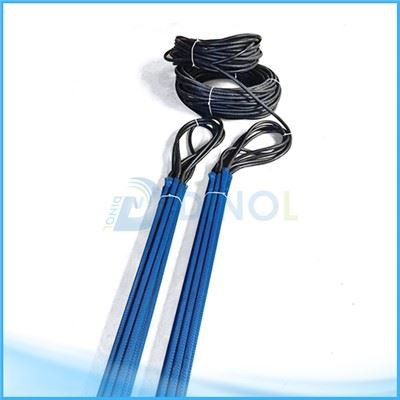
Tubular Titanium Anode, also known as mixed metal oxide titanium anode tube, is a layer of electrocatalytically active metal oxide (metal oxides such as ruthenium iridium, iridium tantalum, etc.) on the titanium substrate. This coating can improve the conductivity of the anode can be adapted to different environments by adjusting the composition of the oxide layer, such as sea water, fresh water, and soil media.
-
![MMO Coated Titanium Tube Anode]()
MMO Coated Titanium Tube Anode
Add to Inquiry -
![Mixed Metal Oxide Anode String]()
Mixed Metal Oxide Anode String
Add to Inquiry -
![Anode Tube With Cable]() Add to Inquiry
Add to Inquiry -
![Titanium Anode Tube]() Add to Inquiry
Add to Inquiry -
![Iridium Oxide Coated Titanium Tube Anodes]()
Iridium Oxide Coated Titanium Tube Anodes
Add to Inquiry -
![MMO Titanium Tubular Anode]() Add to Inquiry
Add to Inquiry -
![MMO Titanium Anode Tube]() Add to Inquiry
Add to Inquiry -
![MMO Tubular Anode]() Add to Inquiry
Add to Inquiry



Benefits of Tubular Titanium Anode
Durability & Longevity
Tubular titanium anodes have a longer service life compared to other anodes. Their robustness ensures that they can function efficiently for extended periods without frequent replacements.
Corrosion Resistance
One of the most significant benefits of tubular titanium anodes is their exceptional resistance to corrosion, especially in electrolytic environments. This property ensures that they maintain their performance without degradation.
High Conductivity
Tubular titanium anodes offer good electrical conductivity, which is essential for their role in electrochemical processes.
Environmentally Friendly
Tubular titanium anodes are known to produce less waste and are less harmful to the environment compared to some other anode materials. This makes them a more eco-friendly choice for various applications.
Lightweight
Titanium, as a material, is lightweight. This can be advantageous in applications where weight considerations are essential.
Versatility
Tubular titanium anodes can be coated with various materials, such as ruthenium or iridium oxide, to enhance their electrochemical properties for specific applications.
Cost-Effective in the Long Run
While the initial cost of Tubular titanium anodes might be higher than some alternatives, their extended lifespan and reduced need for replacements can make them more cost-effective in the long run.
Safe & Stable
Tubular titanium anodes are stable and safe to use, with minimal risks associated with their handling and operation.
Overview of Titanium Anode Types
When it comes to titanium anodes, there are several types to consider. Each type has its own unique characteristics and applications. In this overview, we will explore the different types of titanium anodes available in the market. By understanding the distinctions between these types, you can make an informed decision about which one is best suited for your specific needs.
Mixed Metal Oxide (MMO) Anodes
MMO anodes are among the most commonly used types of titanium anodes. They are characterized by a thin coating of mixed metal oxides, which significantly enhances their durability and resistance to corrosion. Owing to these properties, MMO anodes are extensively used across various industries, including water treatment, electroplating, and chemical processing.
Platinum-Coated Titanium Anodes
Platinized titanium anodes are known for their outstanding electrochemical properties and stability. They are especially effective in high-performance electrocatalysis applications, such as electrolysis and electroplating processes.
Ruthenium-Iridium Oxide (Ru-IrO2) Anodes
Ru-IrO2 anodes stand out for their exceptional stability and resistance to corrosion. They are prominently used in demanding environments, especially in the chlor-alkali industry, where long-term durability is crucial.
Iridium-Tantalum Oxide (Iri-Ta) Anodes
Iri-Ta anodes are acclaimed for their remarkable stability and excellent resistance to corrosion. Like Ru-IrO2 anodes, they are often used in demanding conditions in the chlor-alkali industry. Their superior performance in harsh environments makes Iri-Ta anodes an ideal choice for industries seeking resilience and an extended lifespan.
Lead Dioxide Anodes
Lead dioxide anodes, also known as PbO2 anodes, feature a lead dioxide coating on titanium. This coating grants them excellent electrochemical properties and enhanced corrosion resistance. They are particularly effective in strongly acidic conditions, making them ideal for applications in electroplating, metal recovery, and certain wastewater treatments.
Application of Tubular Titanium Anode
Water Treatment
Titanium anodes play a vital role in various water treatment processes. They are commonly employed in electrolytic disinfection systems, electrochlorination, and electrocoagulation. Titanium anodes generate oxidants that effectively disinfect water, remove organic pollutants, and reduce heavy metal ions. These anodes are crucial for treating drinking water, wastewater, and industrial effluents, ensuring the production of clean and safe water.
Electroplating
The electroplating industry heavily relies on titanium anodes. Titanium anodes, especially those coated with precious metals like platinum, ruthenium, or iridium, are utilized for a wide range of electroplating processes. They provide excellent performance, ensuring high-quality and uniform metal coatings on various substrates. Titanium anodes offer stability, efficient current distribution, and corrosion resistance, enabling precise control over the plating process and producing desired surface finishes.
Chlor-Alkali Industry
Titanium anodes are extensively employed in the chlor-alkali industry for the production of chlorine gas, caustic soda (sodium hydroxide), and other important chemicals. The superior corrosion resistance of titanium anodes allows for efficient electrolysis, facilitating the generation of chlorine gas and caustic soda. These anodes ensure prolonged service life and stable performance in the harsh and corrosive electrolytic environment of chlor-alkali cells.
Electrochemical Synthesis
Titanium anodes are utilized in various electrochemical synthesis processes within the chemical industry. They play a crucial role in electro-oxidation, electro-reduction, and electrosynthesis reactions. The corrosion resistance and catalytic properties of titanium anodes enable efficient and sustainable chemical production. They are employed for the synthesis of organic compounds, electrochemical wastewater treatment, electrosynthesis of specialty chemicals, and other electrochemical processes.
How to Choose Tubular Titanium Anode
Check the Anode's Electrical Conductivity
For optimal performance, the titanium anode should exhibit superior electrical conductivity. This ensures efficient current transfer, crucial for applications like electroplating and water treatment.
Assess Corrosion Resistance
Given that titanium anodes often work in corrosive environments, it's vital to choose an anode with robust corrosion resistance. This not only ensures longevity but also guarantees safety.
Consider Mechanical Strength
The anode should be able to withstand operational rigors, especially in heavy-duty applications. High mechanical strength is a must.
Inquire About Durability
A titanium anode with a prolonged operational life reduces the frequency of replacements, leading to cost savings in the long run.
Evaluate Electrocatalytic Performance
For applications where electrochemical reactions are pivotal, the anode's ability to accelerate these reactions (its electrocatalytic performance) is crucial.
Research Suppliers and Manufacturers
Once you have a clear understanding of your requirements, research reputable titanium anode suppliers and manufacturers.
Process of Tubular Titanium Anode
Shearing
In the shearing stage, the titanium substrate is precisely cut without forming chips. This process ensures that the substrate pieces have the desired dimensions and shapes required for the anode.
Welding
Once the substrate pieces are cut, they are joined together using argon arc welding. This welding technique creates a strong and secure connection between the substrate pieces, forming the anode skeleton. The welding process is crucial in ensuring the structural integrity of the anode.
Sandblasting
After welding, the anode surface undergoes sandblasting. This process involves propelling abrasive particles onto the surface to remove any oxidation and contaminants. Sandblasting also increases the surface roughness, providing better adhesion for the subsequent coating.
Annealing
The anode skeleton undergoes an annealing process, which involves heat treatment. Annealing helps improve the metal properties of the titanium substrate, including strength, ductility, and resistance to defects. This step ensures that the anode has the necessary mechanical properties to withstand operational demands.
Acid Pickling
To prepare the substrate for the coating process, it undergoes acid pickling. The titanium substrate is immersed in an oxalic acid solution, which effectively removes stains, rust, and other impurities from the surface. Acid pickling ensures a clean and uniform substrate, facilitating proper coating adhesion.
Coating Solution Preparation
The next step involves the preparation of a suitable coating solution. The composition of the coating solution depends on the desired properties and application requirements. It often includes precious metals such as ruthenium, iridium, platinum, or a combination of mixed metal oxides. The coating solution is carefully formulated to achieve the desired coating characteristics.
Coating
The prepared coating solution is applied to the surface of the titanium anode. Various techniques can be employed for coating, including brush coating, dipping, or spraying. The goal is to achieve an even and uniform coating layer on the anode surface. After application, the anode is dried in a furnace to remove any excess moisture.
Sintering
The coated anode undergoes a sintering process. During sintering, the anode is subjected to a controlled heating process, typically in a furnace. This step strengthens and solidifies the coating, enhancing its adhesion to the titanium substrate. Sintering also optimizes the properties of the coating, ensuring long-term stability and high performance.
Precautions for Tubular Titanium Anode Use
The titanium electrode has a black surface of ruthenium dioxide and iridium dioxide or iridium dioxide and tantalum pentoxide after oxidation and sintering. The black side corresponds to the cathode. The uncoated surface is a blue or gray titanium dioxide surface. The surface does not have electrode properties.
Once the titanium electrode substrate is pickled, all subsequent production and processing procedures and use must be carried out strictly and carefully. When embezzling, installing and disassembling, wear clean gloves to jam the ends or edges of the anode. It is best to touch the anode without coating. part. Any scratches on the coating surface are strictly prohibited.
Avoid the use of reversed poles. Once the precious metal oxide coating is used as a cathode, the surface will produce a reduction reaction to transform into a metal element, and it will not be able to effectively combine with the titanium base. Cause the coating to fall off. If the pure titanium material is used as an anode, the intense oxidation reaction on the surface will make the titanium material especially easy to be dissolved.
Add a filter device before the electrolyte enters the electrolytic cell. It must not contain metal ions with a diameter greater than 0.1mm to prevent excessive accumulation and cause short circuit between the anode and the anode.
Our Factory
Di Noer Technology Co., Ltd. is located in Baoji High-tech Development Zone, which is known as "China Titanium Valley". It is a high-tech enterprise mainly engaged in electrochemical electrode materials, integrating research, development, professional production and sales. The company specializes in the production of MMO noble metal mixed oxide coated titanium anodes. The main products of titanium anodes are ruthenium-iridium-coated titanium anodes, iridium-tantalum-coated titanium anodes, titanium-coated ruthenium-coated anodes, titanium-coated platinum anodes, titanium-coated lead dioxide anodes, flexible anodes, etc.

Our certificate


FAQ
We're professional tubular titanium anode manufacturers and suppliers in China, specialized in providing high quality customized products. We warmly welcome you to buy high-grade tubular titanium anode for sale here and get pricelist from our factory. For price consultation, contact us.
anode tubular structure in titanium, tubular titanium anode for chemical industry, electrochemical anode tube in titanium