

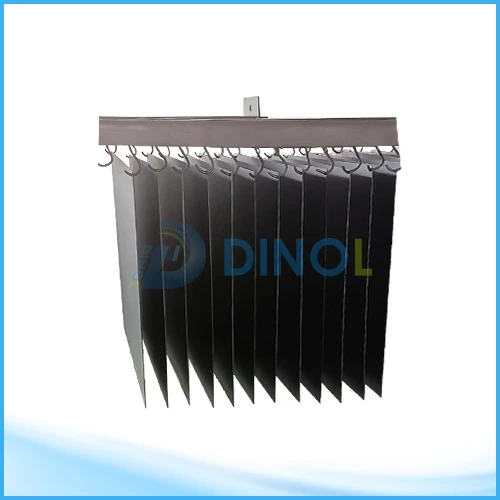
MMO Anodes for Precious Metals Electrolysis
Electrolytic extraction of precious metals gold, silver, palladium and rhodium.
Electrolytic extraction of high purity copper.
Copper deposition from circuit board etchants and regeneration of etchant reuse systems.
Electrodeposition of copper, nickel, cobalt, manganese, chromium, zinc, etc.
- Fast Delievery
- Quality Assurance
- 24/7 Customer Service
Product Introduction
Titanium Anodes for Non-Ferrous Metal Electrodeposition – Principles & Selection
Electrodeposition is one of the core processes in non-ferrous metal extraction. Choosing the right anode material directly affects energy consumption, product purity, and operational costs. This article explains the basic principle of electrodeposition, the common challenges with anode selection, and how titanium anodes with tailored coatings provide a practical solution.
I. Principle of Electrodeposition for Non-Ferrous Metals
In hydrometallurgical extraction, the metal of interest is first leached from the ore and then purified in an electrolyte solution. Electrodeposition refers to the process where metal ions in that purified electrolyte are reduced at the cathode and deposited as pure metal.
The anode reaction typically involves oxygen evolution or chlorine evolution, depending on the electrolyte system. The goal is to achieve a stable, efficient deposition without contaminating the cathode product.
II. Challenges in Selecting Anode Materials for Non-Ferrous Metal Electrodeposition
II-1. Difficulties with conventional anodes
Finding a suitable anode material for electrodeposition is not straightforward. The anode must meet several requirements at the same time:
Stable – maintains its dimensions and shape over months or years of operation
Corrosion-resistant – withstands aggressive acidic or alkaline electrolytes
Long service life – reduces downtime and replacement frequency
Good electrocatalytic activity – lowers the overpotential of the anode reaction, which in turn reduces the cell voltage and saves energy
Traditional anodes such as lead or lead alloys suffer from high overpotential, gradual dissolution, and potential contamination of the cathode product.
II-2. Why titanium anodes are gaining ground
In recent years, titanium anodes have been increasingly used in non-ferrous metal electrowinning and electrorefining. Their main advantage lies in good electrocatalytic activity, which helps to:
Lower the overpotential of the anode reaction
Reduce the tank voltage
Achieve low energy consumption while maintaining high current efficiency
However, different electrolyte systems produce different gases at the anode. For example:
| Electrolyte system | Anode gas evolved |
|---|---|
| Sulfate-based | Oxygen |
| Chloride-based | Chlorine |
| Mixed systems | Mixed gases |

When the anode operates in different environments, the required coating composition changes. An oxygen evolution system demands a different coating formulation than a chlorine evolution system. There is no single universal coating for all applications.
II-3. DINOER's approach – coating formulations matched to the solution system
After years of research and development, DINOER has produced titanium anodes with different coating formulations specifically designed for different electrolyte systems in hydrometallurgical metal extraction.
These coatings share two key characteristics:
Low oxygen overpotential – reduces energy consumption
High corrosion resistance – extends anode life even in aggressive solutions
By matching the coating to the actual operating environment, DINOER helps customers avoid the common problem of premature coating failure or excessive cell voltage.
III. Summary
Selecting an anode for non-ferrous metal electrodeposition requires careful consideration of the electrolyte chemistry, current density, temperature, and expected service life. Titanium anodes with properly formulated mixed metal oxide coatings offer a reliable, energy-efficient alternative to traditional lead anodes.
DINOER continues to develop coating solutions for specific applications, including:
Copper electrowinning
Zinc electrowinning
Nickel and cobalt recovery
Manganese metal production
Chlorine evolution systems
For customers with a specific electrolyte composition and operating conditions, DINOER can recommend or develop a coating formulation that balances performance and cost.
Hot Tags: MMO Anodes for Precious Metals Electrolysis, suppliers, manufacturers, factory, customized, buy, price, quality, pricelist, in stock, for sale, Titanium Anode for Chlor Alkali Industry, Titanium Anode for Aluminum Foil Formation, Titanium Anode Applications


