Dense Underground Piping in Petrochemical Plants
May 25, 2026
Dense Underground Piping in Petrochemical Plants
How Deep Well Anodes Are Used:
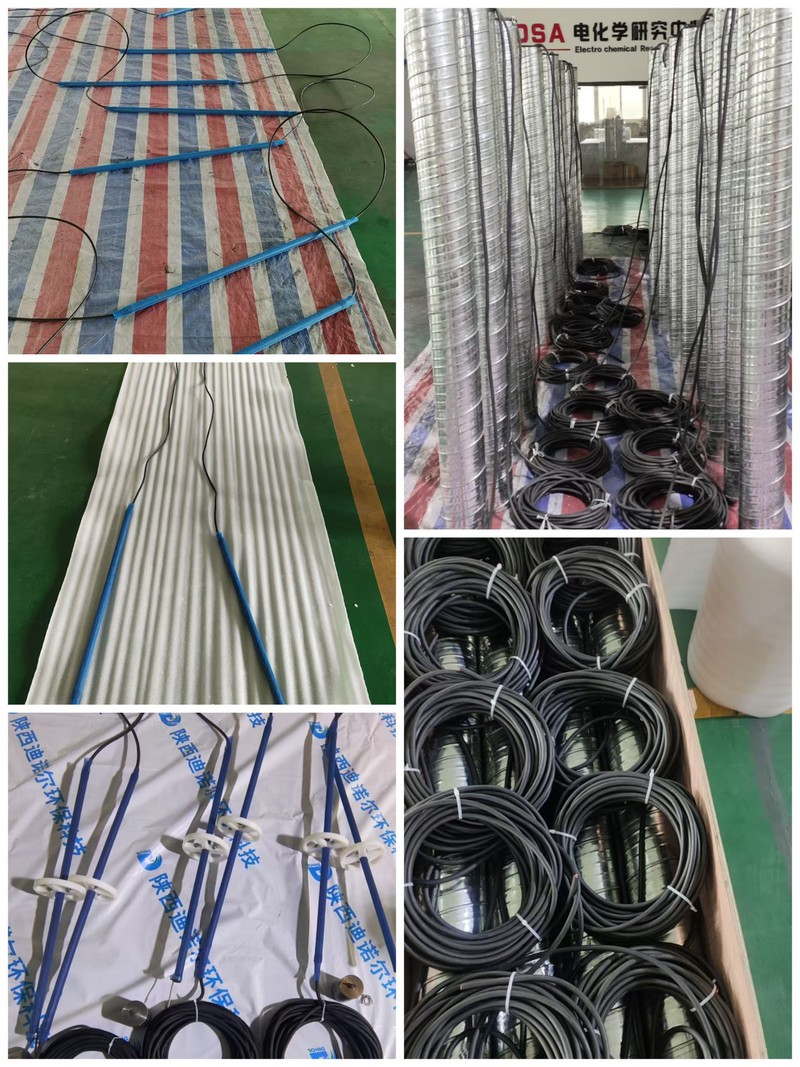
In a refinery or chemical plant, underground pipelines cross each other like a spider web, along with tank bottoms and firewater lines. Conventional shallow anodes (e.g., magnesium ribbon) simply cannot fit into the tight spaces. Digging a trench risks cutting an existing cable or pipe with the shovel. Instead, the crew picks a corner, drills a well several dozen meters deep, lowers tubular anodes section by section, and backfills the well with coke breeze.
Primary Purpose:
To protect deeply buried and mutually shielded metallic structures inside the plant. One deep well anode system can cover a radius of several hundred meters, eliminating the need for extensive trenching.
Problems It Solves for Customers:
Space conflict: Plant land is expensive and crowded with equipment. Shallow trenches are impractical. A deep well occupies only the wellhead area and does not interfere with daily operations.
Current shielding: Shallow anodes tend to send most of their current to the nearest pipes, leaving distant ones unprotected. A deep well anode is installed vertically, so current radiates upward evenly from deep soil layers, reaching pipes that are "buried underneath" others.
Stray current interference: DC stray current is common in plants. With a potentiostat, the deep well anode can attract that interference to itself, preventing the plant's own pipes from being corroded by neighboring equipment.