

How to troubleshoot problems with a Polymer Flexible Anode?
Jul 04, 2025
Troubleshooting problems with a Polymer Flexible Anode is a crucial skill for anyone involved in corrosion prevention systems. As a supplier of Polymer Flexible Anodes, I understand the importance of ensuring these anodes operate effectively to protect various structures from corrosion. In this blog, I will guide you through the process of identifying and resolving common issues that may arise with Polymer Flexible Anodes.
Understanding Polymer Flexible Anodes
Before diving into troubleshooting, it's essential to have a basic understanding of what Polymer Flexible Anodes are. These anodes are made of conductive polymer materials and are designed to provide cathodic protection to metallic structures. They are highly flexible, making them suitable for a wide range of applications, including pipelines, storage tanks, and offshore structures.
The Polymer Flexible Anode works by creating a protective electrical current that counteracts the natural corrosion process. When properly installed and maintained, these anodes can significantly extend the lifespan of the protected structures.
Common Problems and Their Solutions
1. Low Current Output
One of the most common issues with Polymer Flexible Anodes is low current output. This can be caused by several factors, including improper installation, damaged anode material, or a high resistance in the electrical circuit.
- Improper Installation: If the anode is not installed correctly, it may not make proper contact with the soil or the structure being protected. To fix this, ensure that the anode is installed according to the manufacturer's instructions. This may involve burying the anode at the correct depth, using the appropriate backfill material, and ensuring proper electrical connections.
- Damaged Anode Material: Physical damage to the anode material can reduce its conductivity and result in low current output. Inspect the anode for any signs of damage, such as cuts, tears, or abrasions. If damage is found, replace the affected section of the anode.
- High Resistance in the Electrical Circuit: A high resistance in the electrical circuit can also cause low current output. Check the Cathodic Protection Cable for any signs of damage or corrosion. Ensure that all connections are tight and free of dirt or debris. If necessary, clean or replace the cable.
2. Uneven Current Distribution
Another problem that may occur is uneven current distribution. This can lead to areas of the structure being under-protected while other areas are over-protected.
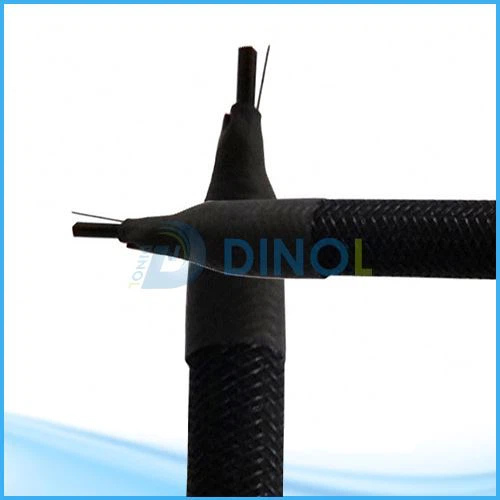

- Anode Spacing: Improper anode spacing can cause uneven current distribution. Make sure that the anodes are spaced evenly along the length of the structure. The spacing will depend on the specific application and the requirements of the cathodic protection system.
- Soil Conditions: Variations in soil conditions can also affect current distribution. If the soil has a high resistivity in some areas, the current may not flow evenly. Consider using backfill materials with a lower resistivity or installing additional anodes in areas with high soil resistivity.
3. Anode Degradation
Over time, Polymer Flexible Anodes may degrade due to environmental factors such as moisture, temperature, and chemical exposure.
- Moisture and Temperature: Excessive moisture and high temperatures can accelerate the degradation of the anode material. Ensure that the anode is installed in a location where it is protected from excessive moisture and temperature fluctuations. If necessary, use a protective coating or insulation to prevent moisture ingress.
- Chemical Exposure: Exposure to chemicals such as acids or alkalis can also cause anode degradation. If the anode is installed in an area where it may be exposed to chemicals, consider using a more chemically resistant anode material.
4. Electrical Faults
Electrical faults can occur in the cathodic protection system, which can disrupt the operation of the Polymer Flexible Anode.
- Short Circuits: A short circuit can occur if the anode or the cable comes into contact with a conductive object. Inspect the system for any signs of short circuits, such as a sudden drop in current output or a blown fuse. If a short circuit is found, locate and repair the source of the problem.
- Open Circuits: An open circuit can occur if the electrical connection between the anode and the structure is broken. Check all connections for tightness and integrity. If an open circuit is found, repair or replace the damaged connection.
Preventive Maintenance
To minimize the occurrence of problems with Polymer Flexible Anodes, it's important to implement a preventive maintenance program. This program should include regular inspections, testing, and maintenance of the cathodic protection system.
- Inspections: Conduct regular visual inspections of the anode and the associated components. Look for any signs of damage, corrosion, or degradation. Check the electrical connections for tightness and integrity.
- Testing: Perform regular electrical testing of the cathodic protection system. This may include measuring the current output, voltage, and resistance. Compare the test results with the design specifications to ensure that the system is operating effectively.
- Maintenance: Perform any necessary maintenance tasks, such as cleaning the cable, tightening connections, or replacing damaged components. Follow the manufacturer's recommendations for maintenance intervals and procedures.
Conclusion
Troubleshooting problems with a Polymer Flexible Anode requires a systematic approach and a good understanding of the cathodic protection system. By following the steps outlined in this blog, you can identify and resolve common issues with Polymer Flexible Anodes and ensure that your cathodic protection system operates effectively.
If you are experiencing problems with your Polymer Flexible Anode or if you have any questions about cathodic protection systems, please do not hesitate to contact us. As a leading supplier of Conductive Polymer Flexible Anode, we have the expertise and experience to provide you with the solutions you need. We offer a wide range of high-quality Polymer Flexible Anodes and related products, as well as professional technical support. Contact us today to discuss your requirements and learn more about how we can help you protect your structures from corrosion.
References
- ASTM G1-03(2017), Standard Practice for Preparing, Cleaning, and Evaluating Corrosion Test Specimens.
- NACE RP0169-2021, Control of External Corrosion on Underground or Submerged Metallic Piping Systems.