

What are the installation costs associated with a Hypochlorite Electrolyzer?
Mar 25, 2026
When considering the implementation of a Hypochlorite Electrolyzer for your water treatment or disinfection needs, one of the primary concerns is the installation costs. As a leading Hypochlorite Electrolyzer supplier, I understand that a clear breakdown of these costs is crucial for making an informed decision. In this blog, I will delve into the various factors that contribute to the installation costs of a Hypochlorite Electrolyzer.
1. Equipment Costs
The first and most obvious cost associated with the installation of a Hypochlorite Electrolyzer is the equipment itself. The price of the electrolyzer can vary significantly based on several factors, including its size, capacity, and the technology it employs.
Smaller, lower - capacity electrolyzers are generally more affordable and can be suitable for small - scale applications such as swimming pools or small water treatment facilities. On the other hand, large - scale industrial electrolyzers designed for municipal water treatment or large - scale disinfection operations can be quite expensive.
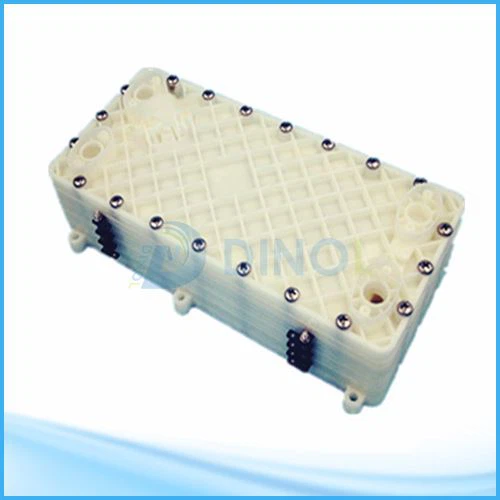
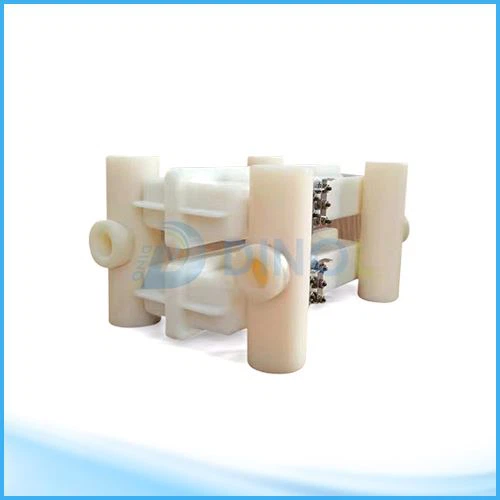
For instance, a basic Acid Base Ion Water Diaphragm Electrolyzer with a relatively low production capacity might cost a few thousand dollars. However, a high - end Diaphragm Electrolyzer For Water Ionzier with advanced features and a large production capacity could cost tens of thousands of dollars.
2. Site Preparation Costs
Before the electrolyzer can be installed, the site needs to be properly prepared. This involves several steps, each with its own associated costs.
a. Space Requirements
The electrolyzer requires a dedicated space for installation. The size of this space depends on the size of the electrolyzer unit. If your facility does not have an appropriate pre - existing space, you may need to construct a new building or modify an existing one. This can involve costs such as construction materials, labor, and permits.
b. Electrical and Plumbing Infrastructure
A Hypochlorite Electrolyzer requires a reliable electrical supply and a proper plumbing system. If your site does not have the necessary electrical and plumbing infrastructure, you will need to install or upgrade it.
Electrical work may include installing new electrical panels, wiring, and transformers. The cost of electrical work can vary depending on the distance from the power source, the required electrical capacity, and local electrical codes.
Plumbing work involves connecting the electrolyzer to the water supply and the distribution system. This may require the installation of pipes, valves, and pumps. The cost of plumbing work depends on the complexity of the system, the type of pipes used, and the distance to the water source and distribution points.
3. Installation Labor Costs
The actual installation of the Hypochlorite Electrolyzer requires skilled labor. The installation process can be complex, especially for larger and more advanced electrolyzers.
Installation technicians need to have a good understanding of the electrolyzer's operation, electrical and plumbing systems, and safety procedures. The labor costs depend on the number of technicians required, the installation time, and the local labor rates.
In some cases, the supplier may offer installation services as part of the package. However, if you choose to hire an independent installation contractor, you need to ensure that they are experienced in installing Hypochlorite Electrolyzers.
4. Testing and Commissioning Costs
After the installation is complete, the electrolyzer needs to be tested and commissioned. This involves checking the electrical and plumbing connections, verifying the operation of the electrolyzer, and adjusting the settings to ensure optimal performance.
Testing and commissioning may require the use of specialized equipment and the expertise of trained technicians. The cost of testing and commissioning includes the labor costs of the technicians and the cost of any necessary testing equipment.
5. Training Costs
Once the electrolyzer is installed and commissioned, your staff needs to be trained on how to operate and maintain it. Training is essential to ensure the safe and efficient operation of the electrolyzer.
The training can be provided by the supplier or an independent training provider. The cost of training depends on the duration of the training, the number of trainees, and the training method (e.g., on - site training or online training).
6. Regulatory and Permit Costs
Installing a Hypochlorite Electrolyzer may require obtaining various permits and complying with local regulations. These regulations can vary depending on the location and the type of application.
Permit costs can include fees for building permits, electrical permits, and environmental permits. In addition, you may need to conduct environmental impact assessments or obtain approvals from local authorities. The cost of regulatory compliance can be significant, especially in areas with strict regulations.
Strategies to Reduce Installation Costs
While the installation costs of a Hypochlorite Electrolyzer can be substantial, there are several strategies that can help you reduce these costs.
a. Choose the Right Electrolyzer
Selecting an electrolyzer that meets your specific needs without over - specifying can save you money. Consider the production capacity, features, and reliability of the electrolyzer. A well - chosen electrolyzer can reduce the need for expensive upgrades in the future.
b. Plan the Site Carefully
Proper site planning can minimize the need for costly site preparation. Identify an existing space that can be easily adapted for the electrolyzer installation. Coordinate with your electrical and plumbing contractors early in the process to optimize the infrastructure design.
c. Negotiate with Suppliers
As a Hypochlorite Electrolyzer supplier, I understand the importance of providing competitive pricing. When purchasing the electrolyzer, negotiate with the supplier to get the best possible deal. Some suppliers may offer package deals that include installation, training, and maintenance services at a discounted price.
d. Consider Long - Term Costs
While it may be tempting to focus solely on the upfront installation costs, it is important to consider the long - term operating and maintenance costs. An electrolyzer with a higher initial cost but lower operating costs may be more cost - effective in the long run.
Conclusion
The installation costs of a Hypochlorite Electrolyzer are influenced by a variety of factors, including equipment costs, site preparation, labor, testing, training, and regulatory compliance. As a supplier, I am committed to helping you understand these costs and find the most cost - effective solution for your needs.
If you are interested in purchasing a Hypochlorite Electrolyzer and would like to discuss the installation costs in more detail, please feel free to contact us. We have a team of experts who can provide you with a customized quote and answer any questions you may have.
References
- "Water Treatment Handbook" by Metcalf & Eddy
- "Electrochemical Engineering" by John Newman and Karen E. Thomas --Alyea