

How does a diaphragm electrolyzer differ from a membrane electrolyzer?
Dec 05, 2025
How does a diaphragm electrolyzer differ from a membrane electrolyzer?
As a supplier of Diaphragm Electrolyzers, I've witnessed firsthand the diverse applications and unique characteristics of both diaphragm and membrane electrolyzers. In this blog, I'll delve into the key differences between these two types of electrolyzers, exploring their working principles, performance, and applications.
Working Principles
The fundamental difference between a diaphragm electrolyzer and a membrane electrolyzer lies in the separation mechanism between the anode and cathode compartments.
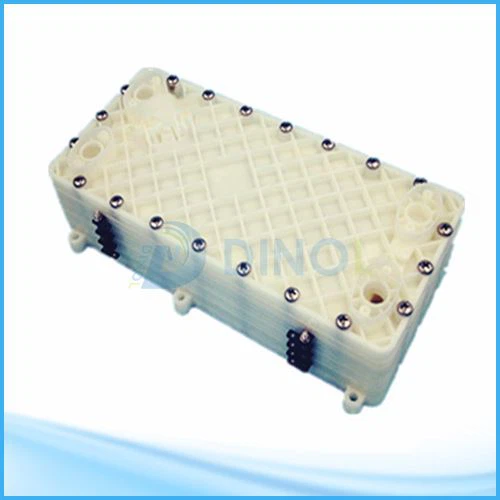
A diaphragm electrolyzer uses a porous diaphragm to separate the anode and cathode compartments. The diaphragm allows the passage of ions but restricts the mixing of the anolyte and catholyte. This porous structure enables the flow of electrolyte ions while preventing the direct contact of the products generated at the anode and cathode. The diaphragm is typically made of materials such as asbestos or polymer-based composites. For example, in the production of chlorine and caustic soda, the diaphragm allows the passage of sodium ions from the anode compartment to the cathode compartment, while preventing the chlorine gas produced at the anode from reacting with the hydroxide ions formed at the cathode. You can learn more about our Diaphragm Electrolyzer on our website.
On the other hand, a membrane electrolyzer employs an ion-exchange membrane to separate the anode and cathode compartments. The ion-exchange membrane is a semi - permeable membrane that selectively allows the passage of specific ions. In most cases, it allows the passage of cations (positively charged ions) while blocking anions (negatively charged ions) and other molecules. This selective permeability results in a more efficient and pure separation of the products. For instance, in the chlor - alkali process, a cation - exchange membrane allows sodium ions to pass from the anode compartment to the cathode compartment, while preventing the migration of chloride ions and other impurities. Check out our Ionic Exchange Membrane Cell for more details.

Performance
When it comes to performance, there are several aspects where diaphragm and membrane electrolyzers differ.
Product Purity: Membrane electrolyzers generally produce products with higher purity compared to diaphragm electrolyzers. The selective ion - exchange property of the membrane ensures that only the desired ions pass through, resulting in a cleaner separation of products. In the chlor - alkali industry, membrane cells can produce caustic soda with a purity of over 30% without significant impurities, while diaphragm cells typically produce caustic soda with a lower purity, usually around 10 - 12%, which requires further purification steps.
Energy Efficiency: Membrane electrolyzers are more energy - efficient than diaphragm electrolyzers. The ion - exchange membrane reduces the electrical resistance in the electrolytic cell, allowing for a lower voltage to be applied during the electrolysis process. This results in less energy consumption for the same amount of product produced. In contrast, the porous diaphragm in a diaphragm electrolyzer has a relatively higher electrical resistance, which requires a higher voltage and thus more energy to drive the electrolysis reaction.
Operating Temperature and Pressure: Diaphragm electrolyzers can operate at a wider range of temperatures and pressures compared to membrane electrolyzers. The membrane in a membrane electrolyzer is more sensitive to temperature and pressure variations, and extreme conditions can damage the membrane and reduce its performance. Diaphragm electrolyzers, with their more robust diaphragm material, can tolerate higher temperatures and pressures, making them suitable for some industrial processes where such conditions are required.
Applications
The differences in performance and working principles lead to different applications for diaphragm and membrane electrolyzers.
Chlor - Alkali Industry: Both types of electrolyzers are widely used in the chlor - alkali industry for the production of chlorine, caustic soda, and hydrogen. However, membrane electrolyzers are becoming increasingly popular due to their higher product purity and energy efficiency. They are commonly used in modern chlor - alkali plants where high - quality products and cost - effective production are crucial. Diaphragm electrolyzers, although less efficient, are still used in some older plants or in regions where the initial investment cost is a major concern, as they are generally less expensive to install.
Water Treatment: In water treatment applications, Acid Base Ion Water Diaphragm Electrolyzer can be used to produce hypochlorite solutions for disinfection purposes. The diaphragm allows for the generation of hypochlorite ions in a controlled manner. Membrane electrolyzers can also be used in water treatment, for example, in the production of high - purity hydrogen for fuel cells or in the desalination of water through electrodialysis processes.
Other Chemical Processes: Diaphragm electrolyzers are sometimes used in chemical processes where a less pure product is acceptable or where the process requires a wider range of operating conditions. Membrane electrolyzers are preferred in applications where high - purity products are essential, such as in the pharmaceutical and electronics industries.
Cost Considerations
The cost of diaphragm and membrane electrolyzers also varies.
Initial Investment: Diaphragm electrolyzers generally have a lower initial investment cost compared to membrane electrolyzers. The diaphragm material is less expensive than the ion - exchange membrane, and the overall design of the diaphragm electrolyzer is relatively simpler. This makes diaphragm electrolyzers an attractive option for small - scale operations or for industries with limited capital.
Operating Cost: While diaphragm electrolyzers have a lower initial cost, their operating cost is usually higher due to their lower energy efficiency. Over the long term, the energy savings from using a membrane electrolyzer can offset the higher initial investment. Additionally, the higher product purity of membrane electrolyzers can reduce the cost associated with further purification steps.
Conclusion
In conclusion, diaphragm and membrane electrolyzers have distinct differences in their working principles, performance, applications, and cost. Membrane electrolyzers offer higher product purity, better energy efficiency, but are more sensitive to operating conditions and have a higher initial investment. Diaphragm electrolyzers, on the other hand, are more robust, can operate at a wider range of conditions, and have a lower initial cost but produce less pure products and consume more energy.
As a supplier of Diaphragm Electrolyzers, we understand the unique requirements of different industries and can provide customized solutions based on your specific needs. Whether you are looking for a cost - effective option with a wider operating range or a high - performance solution for high - purity product production, we can assist you in making the right choice.
If you are interested in learning more about our Diaphragm Electrolyzers or have any questions regarding the selection between diaphragm and membrane electrolyzers, please feel free to contact us for a detailed discussion and procurement negotiation. We look forward to working with you to meet your electrolysis needs.
References
- Kirk - Othmer Encyclopedia of Chemical Technology
- Ullmann's Encyclopedia of Industrial Chemistry
- Chemical Engineering Journal articles on electrolysis technology