

Can a Hypochlorite Electrolyzer be used in swimming pool disinfection?
Jan 01, 2026
Hey there, folks! As a supplier of hypochlorite electrolyzers, I get asked a ton of questions about where and how our products can be used. One question that pops up quite often is whether a hypochlorite electrolyzer can be used for swimming pool disinfection. Well, let's dive right into it!
The Basics of Swimming Pool Disinfection
First off, we all know that keeping a swimming pool clean and safe is super important. Nobody wants to swim in a pool full of germs and algae. That's where disinfection comes in. The most common way to disinfect a swimming pool is by using chlorine, which can kill bacteria, viruses, and other harmful microorganisms.
Traditionally, people use chlorine tablets, liquid chlorine, or granular chlorine to add chlorine to the pool. But these methods have some drawbacks. For example, chlorine tablets can be expensive over time, and handling liquid chlorine can be dangerous as it's highly corrosive.
How Hypochlorite Electrolyzers Work
Before we talk about using a hypochlorite electrolyzer in a pool, let's quickly go over how it works. A hypochlorite electrolyzer works by passing an electric current through a saltwater solution. When you do this, the salt (sodium chloride) in the water breaks down into chlorine gas and caustic soda. The chlorine gas then dissolves in the water to form hypochlorous acid, which is a powerful disinfectant.
There are different types of hypochlorite electrolyzers out there. For instance, you've got the Ionic Exchange Membrane Cell, which uses a special membrane to separate the anode and cathode compartments. This helps to produce a high - quality and pure hypochlorite solution. Then there's the Diaphragm Electrolyzer For Water Ionzier and the Diaphragm Electrolyzer, which use a diaphragm to separate the two compartments. Each type has its own pros and cons, but they all work on the same basic principle of electrolysis.
Using Hypochlorite Electrolyzers in Swimming Pools
So, can a hypochlorite electrolyzer be used in swimming pool disinfection? The answer is a big yes!
Advantages
- Cost - effectiveness: One of the biggest advantages of using a hypochlorite electrolyzer in a pool is cost - savings. Instead of constantly buying chlorine tablets or liquid chlorine, you only need to add salt to the pool. Salt is relatively cheap and easy to find. Over time, this can save you a significant amount of money.
- Convenience: With a hypochlorite electrolyzer, you don't have to worry about storing large amounts of chlorine chemicals. You just set up the electrolyzer, add some salt to the pool, and it will continuously produce the right amount of chlorine for disinfection. This makes pool maintenance a whole lot easier.
- Safety: Handling traditional chlorine products can be dangerous. Chlorine tablets can release toxic fumes, and liquid chlorine can cause skin and eye irritation. A hypochlorite electrolyzer produces chlorine on - site, which reduces the risk associated with storing and handling large amounts of chlorine.
Considerations
- Initial Investment: The upfront cost of buying a hypochlorite electrolyzer can be a bit high. However, when you consider the long - term savings on chlorine chemicals, it can be a worthy investment.
- Water Quality: The quality of the pool water can affect the performance of the electrolyzer. For example, if the water has a high level of minerals or metals, it can cause scaling on the electrodes of the electrolyzer. This can reduce its efficiency and lifespan. So, it's important to regularly test and maintain the water quality in the pool.
Installation and Maintenance
Installing a hypochlorite electrolyzer in a swimming pool is not overly complicated, but it does require some basic knowledge of plumbing and electrical systems. It's usually best to have a professional do the installation to ensure it's done correctly.
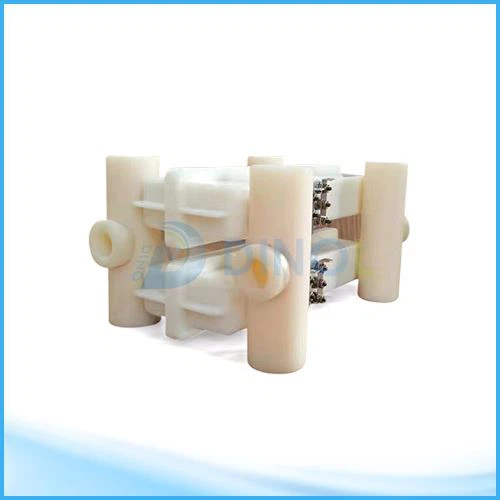
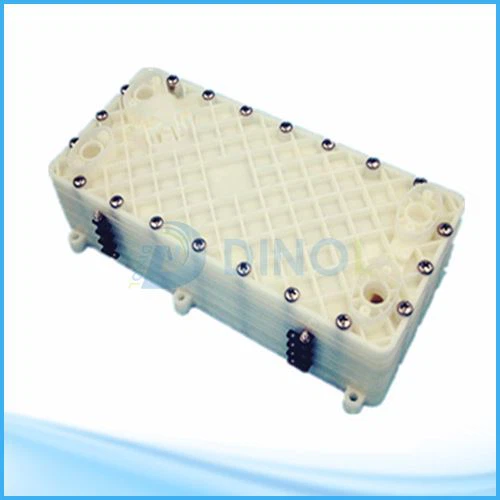
Maintenance is also relatively straightforward. You need to regularly clean the electrodes to prevent scaling. You can do this by using a mild acid solution. You also need to monitor the salt level in the pool and add salt as needed to keep the electrolyzer working properly.
Conclusion
In conclusion, a hypochlorite electrolyzer is a great option for swimming pool disinfection. It offers cost - savings, convenience, and safety benefits. While there are some initial costs and water quality considerations, the long - term advantages make it a viable choice for pool owners.
If you're interested in learning more about our hypochlorite electrolyzers or are thinking about purchasing one for your swimming pool, don't hesitate to reach out. We're here to help you make the right decision and ensure that your pool stays clean and safe all year round. Let's start a conversation about how our products can meet your needs!
References
- White, George C. Handbook of Chlorination and Alternative Disinfectants. Wiley-Interscience, 1999.
- AWWA. Water Quality and Treatment: A Handbook of Community Water Supplies. McGraw-Hill Education, 2017.