

Back To Full Production: Q4 Planning For Custom MMO Titanium Anodes, Platinum Titanium Anodes And Industrial Electrodes
Oct 09, 2026
Summary
On 8 October 2026, Dinoer resumed full production after the National Day holiday and is now working through confirmed orders, engineering reviews and production planning for the fourth quarter. The return to full operations is not simply a matter of restarting equipment: custom titanium anodes require coordinated scheduling across raw-material preparation, substrate fabrication, coating formulation, quality control and export logistics.
For overseas buyers, the most effective response is to finalize technical specifications early, validate samples under representative operating conditions and request a project-specific production window before capacity is allocated elsewhere. This article explains how Dinoer is managing the post-holiday transition and sets out practical planning steps for procurement, engineering and project teams specifying MMO titanium anodes, platinum titanium anodes, ruthenium-iridium or iridium-tantalum coated titanium electrodes.
Full Production Resumes with a Structured Return to Operations
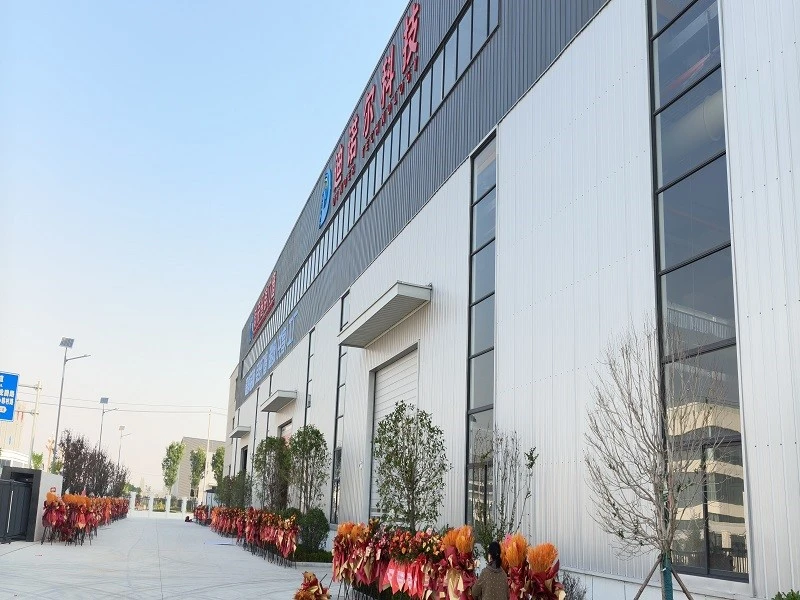
Following the National Day holiday, Dinoer resumed standard operations on Thursday, 8 October 2026. Production lines, engineering review, quality control and export documentation support are returning to full activity.
The first priority is to complete work that was confirmed and scheduled before the holiday. Orders with finalized drawings, approved samples, confirmed coating specifications and complete commercial terms will move into production according to their previously agreed sequence. This approach supports continuity for projects that were already in progress and avoids unnecessary changes to production commitments.
Customers should expect a short period of higher communication volume as the team reviews accumulated technical questions, revised drawings and shipping instructions. Promptly confirming order details, destination information and required documentation will help production planning and reduce the need for subsequent changes.
Custom Titanium Anodes Require More Than Standard Manufacturing Lead Time
Titanium anodes are engineered electrochemical components rather than interchangeable catalogue parts. A production window must therefore cover the complete manufacturing chain: titanium substrate selection, cutting or forming, machining, surface preparation, coating application, curing, inspection and-where required-assembly, testing and export packing.
Coating chemistry must be matched to the intended anodic reaction and operating environment. Ruthenium-iridium MMO systems are commonly used where chlorine evolution is the dominant reaction, while iridium-tantalum formulations are more appropriate for many oxygen-evolution duties. Platinized titanium anodes may be selected for applications that require a platinum surface with stable electrochemical behavior. In practice, however, coating selection depends on the complete duty: electrolyte composition, pH, temperature, current density, target service life, polarity conditions, geometry and maintenance expectations.
For this reason, a project cannot be scheduled reliably from product shape alone. A plate, tube, mesh, rod or fabricated assembly may share the same external form while requiring different base material, coating formulation, active area, loading, electrical connection and inspection scope.
Confirmed Orders Take Priority, but Early Technical Alignment Remains Critical
Orders that were confirmed before the holiday will enter production according to the manufacturer's order sequence. Technical completeness is an important part of that sequence: a purchase order is most useful when it is supported by approved drawings, electrolyte and duty data, coating requirements, inspection expectations, packaging needs and delivery destination.
Orders received after the holiday will be reviewed individually. Dinoer does not publish a universal delivery commitment because the production window depends on substrate availability, coating system, order volume, quality requirements and shipping route. Instead, each project receives a schedule based on its actual specification and the current production plan.
Overseas buyers should therefore treat the fourth quarter as a capacity-planning exercise rather than waiting until a project is urgent. Sharing a target installation date or vessel date is helpful, but that date should be supported by technical clarity and realistic allowance for production, testing and transport.
A Complete Technical Package Reduces Rework and Supports More Reliable Scheduling
Early technical alignment is especially important for custom electrodes. At minimum, an inquiry should identify:
Application and anodic reaction;
Electrolyte composition, pH range and operating temperature;
Current density and duty cycle;
Target geometry, dimensions, tolerances and active area;
Titanium substrate grade and any machining requirements;
Coating system, such as Ru-Ir, Ir-Ta or platinum on titanium;
Required coating loading or performance target, if specified;
Connection method, insulation and assembly requirements;
Testing, certification and documentation requirements;
Order quantity and required destination.
Where these inputs are incomplete, engineering review and quotation can proceed on the basis of the application and operating envelope. Final production, however, should not be scheduled until the technical specification is sufficiently clear to support coating selection, manufacturing and acceptance.
Sample Validation Protects the Production Schedule and Operating Result
For a new design, replacement electrode or change in process chemistry, a sample or pilot batch can prevent a much larger commercial risk. Field performance cannot be inferred reliably from appearance or a single laboratory test. Current distribution, coating stability, cell voltage, localized fouling and connection performance may all vary with installation and duty.
Where a customer can provide a drawing, sample or representative operating data, the manufacturer can prepare a tailored proposal covering substrate, geometry, coating and inspection. For repeat orders, retaining the original specification and confirming whether the operating conditions have changed is equally important. A component that performed well in one duty may require reformulation if electrolyte, temperature or current density changes.
Sample confirmation should be treated as a planning milestone. When prototype testing, coating approval and production release are separated by several weeks, the project timeline can extend even if the factory is otherwise available.
Planning Recommendations for Q4 Project Schedules
Overseas procurement and engineering teams can improve schedule predictability by taking four practical steps:
Confirm replacement and new-project demand now. Review electroplating lines, PCB plating systems, water-treatment assets, electrolysers, cathodic-protection networks, chlor-alkali equipment and desalination-related installations before year-end activity increases.
Separate urgent replacements from scheduled orders. Emergency replacements may require different substrate, coating or logistics solutions. A clear distinction helps the manufacturer propose a workable approach without compromising previously confirmed production.
Keep technical records consistent. Use the same drawing revision, material specification and inspection scope across quotation, sample approval and production release.
Request a project-specific schedule early. A quotation supported by a clear production window is more useful than a generic lead-time statement, because it reflects the actual configuration and current capacity position.
Supply-Chain Resilience Depends on Shared Visibility
Reliable supply of custom titanium anodes depends on shared visibility. From the buyer's side, this means providing the operating envelope and project constraints. From the manufacturer's side, it means giving an honest view of when engineering can be completed, when substrate and coating capacity are available, and when finished goods can be inspected and shipped.
International logistics should also be included in the plan. Export documentation, packing requirements, restricted or hazardous-material considerations, customs clearance and local delivery can all affect the date on which an anode is available for installation. Customers should confirm Incoterms, declared values, marking and destination requirements before production is released.
The objective is not to promise an unrealistic delivery date. It is to align technical validation, manufacturing and logistics early enough that the anode reaches site when the project needs it.
Conclusion
Dinoer's return to full production on 8 October 2026 marks the start of an intensive fourth-quarter planning period for custom titanium anode supply. Confirmed orders will continue through the established production sequence, while new projects will be reviewed and scheduled on the basis of technical completeness and current capacity.
For overseas customers, the strongest position is to finalize specifications early, validate samples where appropriate and request a tailored Q4 schedule before production slots are allocated. By coordinating substrate selection, coating formulation, manufacturing, inspection and logistics, both parties can reduce the risk of rework, delay and unplanned downtime.
For project-specific guidance, technical documentation or a quotation,please contact us.


