

What is the performance of MMO Titanium Anode Tube in the presence of impurities in the electrolyte?
Oct 28, 2025
In the field of electrochemistry, MMO Titanium Anode Tubes have emerged as a crucial component in various applications, from industrial electroplating to water treatment. As a leading supplier of MMO Titanium Anode Tube, I've witnessed firsthand the importance of understanding how these anodes perform in the presence of impurities in the electrolyte. This blog post aims to delve into this topic, exploring the effects of impurities on the performance of MMO Titanium Anode Tubes and providing insights for users and potential customers.
Understanding MMO Titanium Anode Tubes
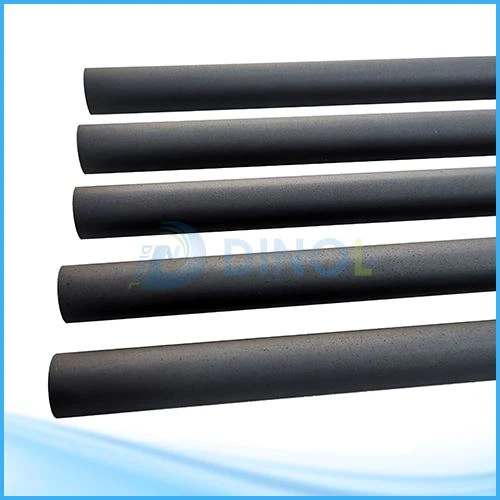
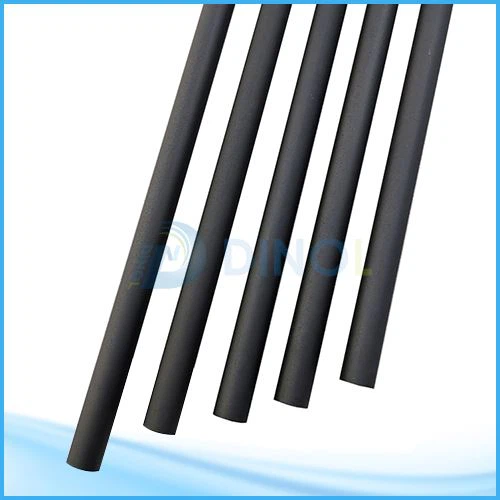
MMO (Mixed Metal Oxide) Titanium Anode Tubes are made by coating a titanium substrate with a mixture of metal oxides, typically containing precious metals such as iridium, ruthenium, and platinum. This coating provides several advantages, including high catalytic activity, excellent corrosion resistance, and long service life. These anodes are widely used in electrolytic processes due to their ability to efficiently generate the desired electrochemical reactions.
The Titanium Anode Tube design offers a large surface area, which enhances the reaction rate and improves the overall efficiency of the electrolytic cell. Additionally, the tubular shape allows for better distribution of the electrolyte flow, ensuring uniform reaction conditions throughout the anode.
Types of Impurities in the Electrolyte
Electrolytes used in various applications can contain a wide range of impurities, which can be broadly classified into the following categories:
- Inorganic Ions: These include metal ions such as iron, copper, nickel, and zinc, as well as anions like chloride, sulfate, and phosphate. Inorganic ions can originate from the raw materials used in the electrolyte preparation, the dissolution of the anode or cathode materials, or the ingress of contaminants from the environment.
- Organic Compounds: Organic impurities can be present in the electrolyte due to the use of organic solvents, additives, or the degradation of organic materials in the system. These compounds can have a significant impact on the electrochemical reactions occurring at the anode surface.
- Particulate Matter: Suspended solids or colloidal particles can be introduced into the electrolyte during the manufacturing process or as a result of mechanical wear and tear. These particles can interfere with the electrolyte flow and cause blockages or fouling of the anode surface.
Effects of Impurities on MMO Titanium Anode Tube Performance
The presence of impurities in the electrolyte can have several effects on the performance of MMO Titanium Anode Tubes, including:
1. Catalytic Activity
Impurities can either enhance or inhibit the catalytic activity of the MMO coating. Some metal ions, such as iron and copper, can act as promoters, increasing the reaction rate and improving the efficiency of the anode. On the other hand, certain organic compounds or anions can adsorb onto the anode surface, blocking the active sites and reducing the catalytic activity.
For example, in electroplating applications, the presence of iron ions in the electrolyte can improve the deposition rate of the metal being plated. However, if the concentration of iron ions is too high, it can lead to the formation of iron oxides on the anode surface, which can passivate the anode and reduce its performance.
2. Corrosion Resistance
Impurities can also affect the corrosion resistance of the MMO Titanium Anode Tube. Some aggressive ions, such as chloride, can cause pitting corrosion of the titanium substrate, especially at high concentrations or under certain operating conditions. Organic compounds can also promote corrosion by forming complexes with the metal ions in the coating or by altering the electrochemical environment at the anode surface.
To mitigate the effects of corrosion, it is important to select the appropriate MMO coating composition and to maintain the electrolyte within the recommended pH and temperature ranges. Additionally, the use of corrosion inhibitors or protective coatings can help to improve the long-term stability of the anode.
3. Service Life
The presence of impurities can significantly reduce the service life of the MMO Titanium Anode Tube. Corrosion, fouling, and passivation of the anode surface can lead to a decrease in its performance over time, requiring more frequent replacement. This can increase the operating costs and downtime of the electrolytic system.
To extend the service life of the anode, it is essential to monitor the electrolyte quality regularly and to take appropriate measures to remove or control the impurities. This may include filtration, ion exchange, or chemical treatment of the electrolyte.
Case Studies: Performance of MMO Titanium Anode Tubes in the Presence of Impurities
To illustrate the effects of impurities on the performance of MMO Titanium Anode Tubes, let's consider a few case studies:
Case Study 1: Electroplating of Copper
In a copper electroplating process, the electrolyte contained a small amount of iron ions as an impurity. Initially, the presence of iron ions improved the deposition rate of copper, resulting in a higher plating efficiency. However, as the concentration of iron ions increased over time, iron oxides began to form on the anode surface, causing passivation and a decrease in the anode performance.
To address this issue, a filtration system was installed to remove the iron ions from the electrolyte. This helped to maintain the anode performance and extended its service life.
Case Study 2: Water Treatment
In a water treatment application, the electrolyte contained a high concentration of chloride ions. The presence of chloride ions caused pitting corrosion of the titanium substrate of the MMO Titanium Anode Tube, leading to a decrease in its corrosion resistance and performance.
To prevent corrosion, a more corrosion-resistant MMO coating was selected, and the pH of the electrolyte was adjusted to a more alkaline range. These measures helped to improve the anode's performance and durability in the presence of chloride ions.
Strategies for Mitigating the Effects of Impurities
To ensure the optimal performance of MMO Titanium Anode Tubes in the presence of impurities, the following strategies can be employed:
- Electrolyte Pretreatment: Before using the electrolyte, it is important to remove or reduce the concentration of impurities through filtration, ion exchange, or chemical treatment. This can help to prevent the accumulation of impurities on the anode surface and improve the overall performance of the electrolytic system.
- Anode Coating Selection: Choosing the appropriate MMO coating composition is crucial for achieving the desired performance in the presence of specific impurities. Different coatings have different levels of catalytic activity, corrosion resistance, and tolerance to impurities. Consult with an anode supplier or an electrochemist to select the most suitable coating for your application.
- Operating Conditions Optimization: Maintaining the electrolyte within the recommended pH, temperature, and flow rate ranges can help to minimize the effects of impurities on the anode performance. Additionally, proper control of the current density and the operating time can also improve the efficiency and durability of the anode.
- Regular Monitoring and Maintenance: Regularly monitoring the electrolyte quality and the anode performance is essential for detecting any issues early and taking appropriate corrective actions. This may include analyzing the electrolyte composition, measuring the anode potential, and inspecting the anode surface for signs of corrosion or fouling.
Conclusion
In conclusion, the performance of MMO Titanium Anode Tubes in the presence of impurities in the electrolyte is a complex issue that requires careful consideration. Impurities can have a significant impact on the catalytic activity, corrosion resistance, and service life of the anode. By understanding the types of impurities and their effects on the anode performance, and by implementing appropriate strategies for mitigating these effects, users can ensure the optimal operation of their electrolytic systems.
As a supplier of Iridium Oxide Coated Titanium Tube Anodes and other MMO Titanium Anode Tubes, we are committed to providing high-quality products and technical support to our customers. If you have any questions or need assistance with selecting the right anode for your application, please feel free to contact us. We look forward to discussing your specific requirements and helping you achieve the best results in your electrolytic processes.
References
- Trasatti, S. (1980). Electrodes of Conductive Metal Oxides. Part II: Physical and Electrochemical Properties of Doped Titanium Dioxide Electrodes. Electrochimica Acta, 25(7), 733-745.
- Conway, B. E. (1999). Electrochemical Supercapacitors: Scientific Fundamentals and Technological Applications. Kluwer Academic Publishers.
- Bard, A. J., & Faulkner, L. R. (2001). Electrochemical Methods: Fundamentals and Applications. John Wiley & Sons.