

What is the operating pressure range of a titanium anode tube?
May 23, 2025
Hey there! As a supplier of Titanium Anode Tubes, I often get asked about the operating pressure range of these nifty little devices. So, I thought I'd take a few minutes to break it down for you and give you all the info you need.
First off, let's talk a bit about what titanium anode tubes are and why they're so important. Titanium anode tubes are a key component in many electrochemical processes, like cathodic protection systems, electroplating, and water treatment. They're made of titanium, which is a super durable and corrosion-resistant metal, and they're coated with a special material that helps them perform their job.
One of the main factors that can affect the performance of a titanium anode tube is the operating pressure. The operating pressure range is basically the range of pressures at which the anode tube can work effectively and safely. If the pressure is too low, the anode tube might not be able to function properly, and if the pressure is too high, it could cause damage to the tube or other components of the system.
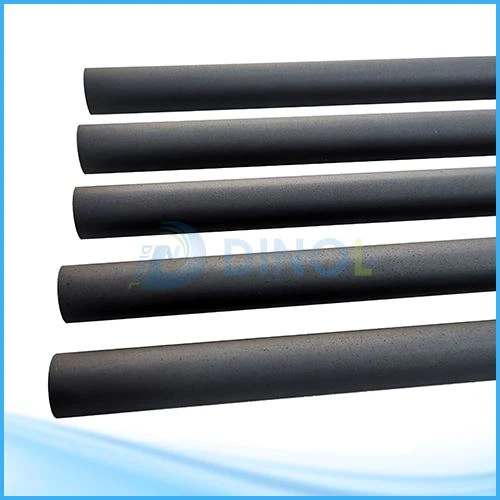
So, what is the typical operating pressure range for a titanium anode tube? Well, it can vary depending on a few different factors, like the specific application, the design of the anode tube, and the type of coating used. However, in general, most titanium anode tubes are designed to operate within a pressure range of about 0.5 to 10 bar (7.25 to 145 psi).
Let's take a closer look at some of the factors that can influence the operating pressure range of a titanium anode tube.
1. Application
The application for which the anode tube is being used can have a big impact on the operating pressure range. For example, in a cathodic protection system for a pipeline, the pressure might be relatively low, typically around 1 to 3 bar (14.5 to 43.5 psi). This is because the main goal of the system is to prevent corrosion of the pipeline, and a lower pressure is usually sufficient to achieve this.
On the other hand, in an electroplating process, the pressure might need to be higher, perhaps in the range of 5 to 10 bar (72.5 to 145 psi). This is because electroplating involves depositing a thin layer of metal onto a substrate, and a higher pressure can help to ensure a more uniform and efficient plating process.
2. Design of the Anode Tube
The design of the anode tube itself can also affect its operating pressure range. For example, the thickness of the titanium wall can play a role. A thicker wall can generally withstand higher pressures, while a thinner wall might be more suitable for lower-pressure applications.
The shape and size of the anode tube can also be important. Some anode tubes are designed with a specific shape or configuration to optimize their performance at a certain pressure range. For instance, a tube with a larger diameter might be better able to handle higher pressures than a tube with a smaller diameter.
3. Type of Coating
The type of coating used on the titanium anode tube can also have an impact on its operating pressure range. Different coatings have different properties and characteristics, and some might be more resistant to high pressures than others.
For example, Iridium Oxide Coated Titanium Tube Anodes are known for their excellent corrosion resistance and high-performance capabilities. These anodes can often operate at higher pressures compared to anodes with other types of coatings.
Now, it's important to note that these are just general guidelines, and the actual operating pressure range for a specific titanium anode tube should be determined by the manufacturer. They'll take into account all of these factors and more to ensure that the anode tube is designed to operate safely and effectively within a specific pressure range.
So, why is it so important to stay within the recommended operating pressure range? Well, there are a few reasons.
1. Safety
Operating a titanium anode tube outside of its recommended pressure range can be dangerous. If the pressure is too high, it could cause the tube to rupture or burst, which could lead to leaks, spills, or even explosions in some cases. This can pose a serious risk to the safety of personnel and the environment.
2. Performance
Staying within the recommended pressure range is also important for the performance of the anode tube. If the pressure is too low, the anode tube might not be able to produce enough current to carry out its intended function effectively. On the other hand, if the pressure is too high, it could cause the coating on the anode tube to wear out more quickly, reducing its lifespan and performance.
3. Cost
Finally, operating a titanium anode tube outside of its recommended pressure range can also be costly. If the tube is damaged due to high pressure, it will need to be replaced, which can be expensive. Additionally, if the performance of the anode tube is compromised, it could lead to increased energy consumption or other operational costs.
As a supplier of MMO Titanium Anode Tube and MMO Titanium Tubular Anode, I understand the importance of providing high-quality products that are designed to operate safely and effectively within the recommended pressure range. That's why we work closely with our customers to understand their specific needs and applications, and we use the latest technology and manufacturing processes to ensure that our anode tubes meet the highest standards of quality and performance.
If you're in the market for a titanium anode tube and you have questions about the operating pressure range or any other aspect of our products, don't hesitate to reach out. We're here to help you find the right solution for your needs and to provide you with all the support and information you need to make an informed decision.
Whether you're working on a small-scale project or a large industrial application, we have the expertise and experience to provide you with the best titanium anode tubes on the market. So, why wait? Contact us today to start the conversation and let's see how we can work together to meet your requirements.
References
- Electrochemical Engineering Principles, Third Edition, by Richard C. Alkire, Allan J. Bard, and Martin A. Rivero
- Handbook of Corrosion Engineering, Second Edition, by Yutaka Sato