

What is the maintenance cost of a Hypochlorite Electrolyzer?
Dec 24, 2025
Hey there! I'm a supplier of Hypochlorite Electrolyzers, and today I wanna chat about the maintenance cost of these nifty machines. Hypochlorite electrolyzers are pretty awesome. They're used in a bunch of industries, from water treatment to disinfection. But like any piece of equipment, they need some TLC to keep running smoothly, and that comes with a cost.
First off, let's talk about the initial setup. When you're getting a Hypochlorite Electrolyzer up and running, there are a few things you gotta consider. You need to make sure the installation is done right. This might involve hiring a professional, which can add to the overall cost. But trust me, it's worth it. A proper installation can prevent a whole bunch of problems down the line.
Now, let's get into the ongoing maintenance. One of the biggest factors in the maintenance cost is the electrodes. These are the parts that do the actual electrolysis, turning saltwater into hypochlorite. Over time, the electrodes wear out. The rate of wear depends on a few things, like how often the electrolyzer is used and the quality of the water it's working with. If the water has a lot of impurities, it can speed up the wear on the electrodes.
Replacing electrodes can be a bit pricey. High - quality electrodes are made from materials like titanium, which are durable but not cheap. You can't just go for the cheapest option here, though. Using low - quality electrodes can lead to poor performance and more frequent replacements. So, budget for electrode replacements every few years, depending on your usage.
Another cost is the chemicals. You need salt to make hypochlorite, and the quality of the salt matters. You want to use high - purity salt to avoid clogging the system and to ensure efficient electrolysis. The amount of salt you need depends on the size and capacity of your electrolyzer. You also might need some cleaning chemicals to keep the system clean. For example, if there's scale buildup inside the electrolyzer, you'll need a descaling agent to get rid of it.
Labor is also a significant part of the maintenance cost. You might not be able to handle all the maintenance tasks yourself, especially the more complex ones. Hiring a technician to do regular check - ups and repairs can be expensive, but it's necessary. A trained technician can spot potential problems before they turn into major issues, saving you money in the long run.
Let's talk about energy consumption. Hypochlorite electrolyzers use electricity to run the electrolysis process. The amount of energy they consume depends on their size and how often they're used. A larger electrolyzer will generally use more energy than a smaller one. You can look for energy - efficient models to help keep your energy costs down. Some newer models are designed to use less electricity while still producing the same amount of hypochlorite.
Now, let's touch on some of the different types of Hypochlorite Electrolyzers and how their maintenance costs might vary. There's the Acid Base Ion Water Diaphragm Electrolyzer. This type has a diaphragm that separates the anode and cathode chambers. The diaphragm needs to be maintained properly. If it gets damaged or clogged, it can affect the performance of the electrolyzer. Replacing the diaphragm can be a bit tricky and costly.
Then there's the Diaphragm Electrolyzer For Water Ionzier. These are often used in water ionizing applications. They also rely on a diaphragm, and the same maintenance considerations apply. The diaphragm needs to be inspected regularly for signs of wear and tear.
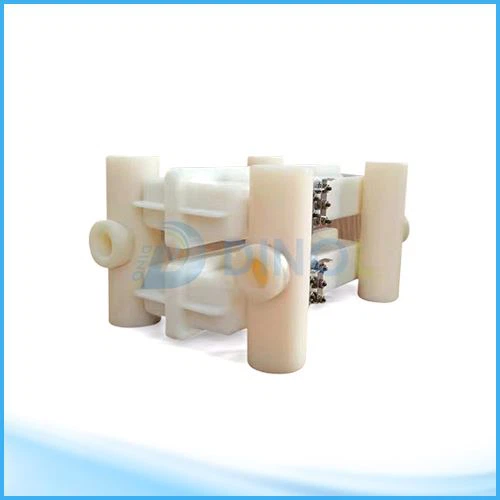
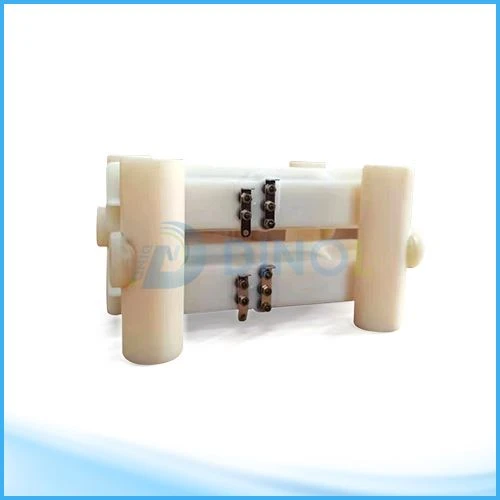
The Diaphragm Electrolyzer is another common type. It's important to keep the diaphragm in good condition to ensure efficient operation. Any damage to the diaphragm can lead to a decrease in hypochlorite production and an increase in energy consumption.
To sum it up, the maintenance cost of a Hypochlorite Electrolyzer includes electrode replacement, chemical costs, labor, and energy consumption. The specific cost will vary depending on the type of electrolyzer, its size, and how often it's used. But don't let the maintenance cost scare you off. Hypochlorite electrolyzers are a great investment for many industries. They offer a cost - effective and environmentally friendly way to produce hypochlorite on - site.
If you're thinking about purchasing a Hypochlorite Electrolyzer or want to learn more about reducing maintenance costs, I'd love to chat. Reach out, and we can have a detailed discussion about your needs and how to make the most of your investment.
References
- "Electrochemical Engineering" by Enrique Rodrigo and Christos Comninellis
- "Water Treatment Handbook" by Degremont