

What is the lifespan of a Hypochlorite Electrolyzer?
Dec 10, 2025
Hey there! As a supplier of Hypochlorite Electrolyzers, I often get asked about how long these nifty machines can last. So, let's dive right into the lifespan of a Hypochlorite Electrolyzer.
First off, what's a Hypochlorite Electrolyzer? It's a device that uses an electrolysis process to produce sodium hypochlorite, a powerful disinfectant. You can find it being used in all sorts of places, from swimming pools to water treatment plants, and even in some industrial settings for cleaning and sanitizing.
Now, when it comes to the lifespan of a Hypochlorite Electrolyzer, there isn't a one - size - fits - all answer. It can vary quite a bit depending on several factors.
1. Quality of the Build
Just like any other piece of equipment, the quality of the materials and the craftsmanship that goes into making the electrolyzer play a huge role. High - end electrolyzers that are built with top - notch materials and precision engineering are likely to last longer. For example, if the electrodes are made from high - quality titanium with a proper coating, they'll be more resistant to corrosion. And corrosion is one of the biggest enemies of an electrolyzer. A well - built electrolyzer might last anywhere from 10 to 20 years. On the other hand, a cheaper, lower - quality model could start having problems within just a few years.
2. Operating Conditions
The environment in which the electrolyzer operates can have a massive impact on its lifespan. If it's used in a harsh industrial environment with lots of chemicals in the air or water, it's going to face more wear and tear. High temperatures can also speed up the degradation of the components. For instance, if the water being treated has a high concentration of minerals or impurities, it can cause scaling on the electrodes. This scaling can reduce the efficiency of the electrolysis process and eventually damage the electrodes.
If the electrolyzer is used in a relatively clean and stable environment, like a well - maintained swimming pool facility, it'll have a better chance of lasting a long time. But if it's in a place where the water quality fluctuates a lot or there are extreme temperature changes, its lifespan will be shorter.
3. Maintenance and Care
Regular maintenance is key to keeping an electrolyzer running smoothly and extending its lifespan. This includes things like cleaning the electrodes regularly to prevent scaling. You also need to check the electrical connections to make sure they're tight and free of corrosion. And don't forget about the diaphragm (if it has one). Diaphragms can get clogged over time, and if not replaced or cleaned properly, they can cause the electrolyzer to malfunction.
Proper maintenance can add several years to the life of an electrolyzer. Neglecting maintenance, on the other hand, can lead to premature failure. For example, if you don't clean the electrodes and the scaling gets too bad, it might be necessary to replace the electrodes, which can be quite costly.
4. Usage Frequency
How often the electrolyzer is used also matters. If it's running 24/7 in a large water treatment plant, it's going to experience more wear and tear compared to one that's only used occasionally, like in a small private swimming pool. Continuous operation can cause the components to heat up and degrade faster. However, even if it's used less frequently, it still needs to be maintained properly to ensure it's ready to go when needed.
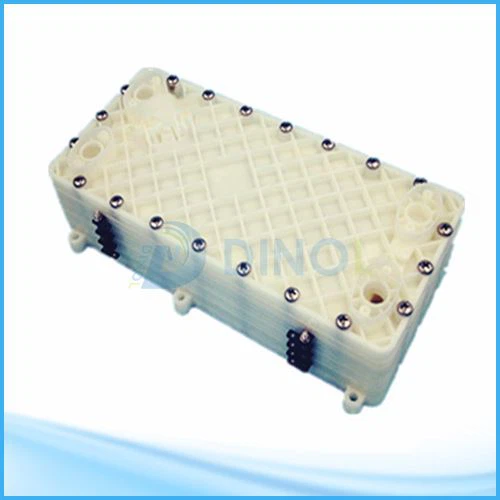
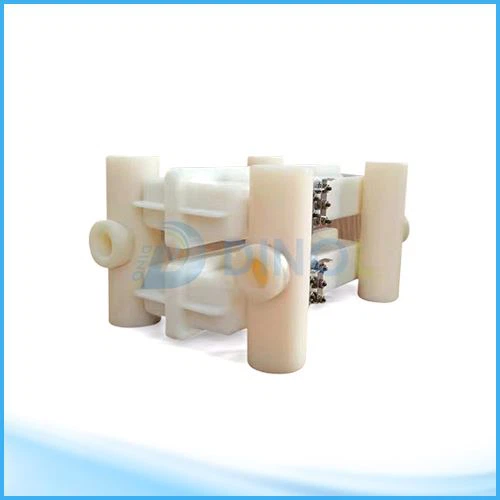
Types of Hypochlorite Electrolyzers and Their Lifespans
There are different types of Hypochlorite Electrolyzers, and their lifespans can vary. For example, the Acid Base Ion Water Diaphragm Electrolyzer has its own set of characteristics. These electrolyzers are designed to produce different types of ionized water, and their diaphragms play a crucial role in the process. If the diaphragm is well - maintained and the operating conditions are right, it can last a long time. But if the diaphragm gets damaged or clogged, it can significantly affect the performance and lifespan of the electrolyzer.
The Diaphragm Electrolyzer is another common type. Diaphragms in these electrolyzers help separate the anode and cathode compartments, which is important for the efficient production of sodium hypochlorite. Similar to the acid - base ion water diaphragm electrolyzer, the condition of the diaphragm and the overall maintenance of the unit are critical for its long - term performance.
The Diaphragm Electrolyzer For Water Ionzier is specifically designed for water ionization purposes. These electrolyzers also rely on the proper functioning of the diaphragm. If the water quality is good and the unit is maintained well, it can have a decent lifespan. But again, any issues with the diaphragm or other components can shorten its life.
Extending the Lifespan
If you want to get the most out of your Hypochlorite Electrolyzer, here are some tips:
- Use High - Quality Water: Try to use water with low levels of impurities. You can use water treatment methods like filtration or softening to reduce the mineral content.
- Follow the Manufacturer's Instructions: The manufacturer knows the product best. Make sure you follow their guidelines for installation, operation, and maintenance.
- Regular Inspections: Set up a regular inspection schedule to catch any potential problems early. This can save you from costly repairs or replacements down the line.
- Proper Storage: If the electrolyzer is going to be out of use for an extended period, store it in a dry, cool place.
Conclusion
So, as you can see, the lifespan of a Hypochlorite Electrolyzer can vary widely depending on factors like build quality, operating conditions, maintenance, and usage frequency. With proper care and maintenance, you can expect a well - built electrolyzer to last for many years.
If you're in the market for a Hypochlorite Electrolyzer or need more information about our products, don't hesitate to reach out. We're here to help you find the right solution for your needs and ensure that you get the most out of your investment. Let's start a conversation about how we can meet your requirements and keep your facilities clean and safe.
References
- General knowledge about Hypochlorite Electrolyzers from industry experience.
- Manufacturer's manuals and technical specifications for various Hypochlorite Electrolyzers.