

What is the influence of the soil moisture on the performance of MMO Ti Linear Anode?
Jun 20, 2025
As a supplier of MMO Ti Linear Anodes, I've witnessed firsthand the importance of understanding how various environmental factors influence the performance of these anodes. One such crucial factor is soil moisture. In this blog post, I'll delve into the impact of soil moisture on the performance of MMO Ti Linear Anodes and why it matters for your cathodic protection systems.
Understanding MMO Ti Linear Anodes
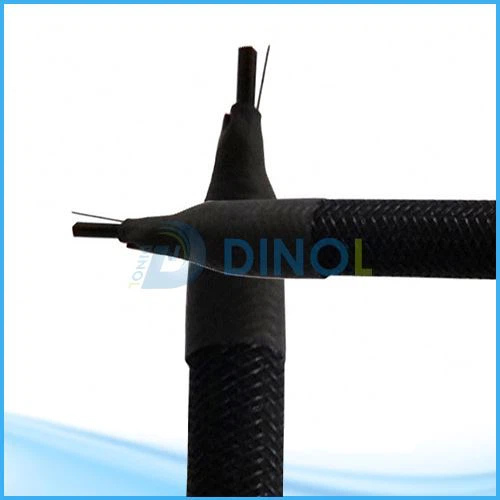
MMO (Mixed Metal Oxide) Ti Linear Anodes are widely used in cathodic protection systems to prevent corrosion of metallic structures buried in soil or submerged in water. These anodes are made of a titanium substrate coated with a layer of mixed metal oxides, which provide excellent electrical conductivity and corrosion resistance. The linear design of these anodes allows for easy installation in various configurations, making them suitable for a wide range of applications, including pipelines, storage tanks, and offshore structures.
The Role of Soil Moisture in Cathodic Protection
Soil moisture plays a vital role in the performance of cathodic protection systems. In a cathodic protection system, the anode is connected to the structure to be protected, and a direct current is applied to the anode. This current causes the anode to corrode preferentially, sacrificing itself to protect the structure from corrosion. The soil acts as an electrolyte, allowing the flow of current between the anode and the structure.
The moisture content in the soil affects the electrical conductivity of the soil. Higher soil moisture levels generally result in higher electrical conductivity, which means that the current can flow more easily through the soil. This is beneficial for the performance of the cathodic protection system because it allows for more efficient transfer of current from the anode to the structure.
Influence of Soil Moisture on MMO Ti Linear Anode Performance
1. Electrical Conductivity
As mentioned earlier, soil moisture affects the electrical conductivity of the soil. When the soil is dry, its electrical conductivity is low, which can lead to increased resistance in the cathodic protection system. This increased resistance can cause a decrease in the current flow from the anode to the structure, reducing the effectiveness of the cathodic protection.
On the other hand, when the soil is wet, its electrical conductivity is high, which allows for better current distribution. This means that the MMO Ti Linear Anode can deliver the required current more efficiently to the structure, providing better protection against corrosion. However, excessive soil moisture can also have negative effects, as it can lead to other issues such as anode overheating and accelerated anode consumption.
2. Anode Consumption
The rate of anode consumption is an important factor in the performance of a cathodic protection system. In a dry soil environment, the anode consumption rate may be lower because the low electrical conductivity of the soil restricts the current flow. However, this also means that the protection provided to the structure may be insufficient.
In a wet soil environment, the higher electrical conductivity allows for more current to flow from the anode. This can result in a higher anode consumption rate. If the anode consumption rate is too high, the anode may need to be replaced more frequently, increasing the maintenance costs of the cathodic protection system.
3. Anode Potential
The anode potential is another important parameter in a cathodic protection system. It is the electrical potential difference between the anode and the structure. In a dry soil environment, the anode potential may be higher due to the increased resistance in the soil. This can lead to overprotection of the structure, which can cause hydrogen embrittlement and other damage to the structure.
In a wet soil environment, the lower resistance in the soil allows for a more stable anode potential. This helps to ensure that the structure is protected within the optimal potential range, providing effective corrosion protection without causing damage to the structure.
Considerations for Different Soil Moisture Conditions
1. Dry Soils
When installing MMO Ti Linear Anodes in dry soils, it is important to take steps to improve the electrical conductivity of the soil. This can be achieved by using backfill materials with high electrical conductivity, such as coke breeze or bentonite. These backfill materials can help to increase the contact area between the anode and the soil, improving the current distribution.
It is also important to monitor the anode potential and current output regularly to ensure that the structure is being protected effectively. If necessary, the current output of the anode may need to be adjusted to compensate for the low electrical conductivity of the soil.
2. Wet Soils
In wet soils, it is important to design the cathodic protection system to prevent overheating and excessive anode consumption. This can be achieved by using anodes with a larger surface area or by adjusting the current output of the anode. It is also important to ensure that the anode is properly insulated to prevent short - circuits and other electrical problems.
Regular monitoring of the anode performance is essential in wet soil conditions. This includes monitoring the anode potential, current output, and anode consumption rate. If the anode consumption rate is too high, the anode may need to be replaced or the system may need to be re - designed.
Related Products for Cathodic Protection
As a supplier of MMO Ti Linear Anodes, we also offer other related products for cathodic protection. For those looking for more flexible options, we recommend our Flexible Anode For Cathodic Protection. These anodes are easy to install and can be used in a variety of applications.
Our Polymer Flexible Anode is another great option for cathodic protection. It offers excellent corrosion resistance and flexibility, making it suitable for use in complex structures.
If you are specifically interested in linear wire anodes, our MMO Linear Wire Anode provides reliable performance in different soil conditions.
Conclusion
Soil moisture has a significant influence on the performance of MMO Ti Linear Anodes. Understanding this influence is crucial for designing and operating effective cathodic protection systems. By considering the soil moisture conditions and taking appropriate measures, such as using suitable backfill materials, adjusting the current output, and monitoring the anode performance, we can ensure that the MMO Ti Linear Anodes provide reliable and long - lasting corrosion protection for metallic structures.
If you are in need of high - quality MMO Ti Linear Anodes or have any questions about cathodic protection systems, please feel free to contact us for further discussion and procurement. We are committed to providing you with the best solutions for your corrosion protection needs.
References
- Fontana, M. G. (1986). Corrosion Engineering. McGraw - Hill.
- Uhlig, H. H., & Revie, R. W. (1985). Corrosion and Corrosion Control. Wiley - Interscience.
- National Association of Corrosion Engineers (NACE). (2016). Cathodic Protection Handbook. NACE International.