

What are the signs that the coating on a tubular titanium anode needs replacement?
Jul 10, 2025
Tubular titanium anodes are widely used in various electrochemical applications, including cathodic protection systems, electroplating, and water treatment. These anodes are typically coated with a mixed metal oxide (MMO) layer to enhance their performance and durability. However, over time, the coating on a tubular titanium anode can degrade, leading to a decrease in its efficiency and effectiveness. As a Tubular Titanium Anode supplier, I understand the importance of recognizing the signs that indicate the need for anode coating replacement. In this blog post, I will discuss the key indicators that suggest it's time to replace the coating on a tubular titanium anode.
1. Decreased Current Output
One of the most obvious signs that the coating on a tubular titanium anode needs replacement is a significant decrease in current output. The MMO coating on the anode plays a crucial role in facilitating the electrochemical reaction by providing a low - resistance surface for the flow of electrons. As the coating wears down or degrades, the electrical resistance of the anode increases, which in turn reduces the amount of current that can be delivered to the system.
In a cathodic protection system, for example, a decrease in current output can result in inadequate protection of the metal structure. If you notice that the current readings from your anodes have dropped below the design specifications, it could be a sign that the MMO coating is no longer functioning properly. Regular monitoring of the current output is essential to detect this issue early. You can use a multimeter or a dedicated current monitoring device to measure the current flowing through the anode. If the current output has decreased by more than 20 - 30% from its initial value, it is advisable to inspect the anode coating further or consider replacement.
2. Uneven Coating Wear
Visual inspection of the tubular titanium anode can reveal a lot about the condition of its coating. Uneven coating wear is a common problem that can occur due to various factors, such as non - uniform electrolyte flow, localized corrosion, or mechanical damage. When the coating wears unevenly, some areas of the anode may have a thinner or completely worn - off coating, while other areas may still have a relatively intact coating.
Uneven coating wear can lead to inconsistent current distribution across the anode surface. In a large - scale electrochemical system, this can result in some parts of the protected structure receiving too much current, while other parts receive too little. This imbalance can cause over - protection in some areas, leading to hydrogen embrittlement or coating damage, and under - protection in other areas, which can accelerate corrosion.
To check for uneven coating wear, you can visually inspect the anode using a magnifying glass or a microscope. Look for areas where the coating appears thinner, has a different color, or shows signs of flaking or peeling. If you observe significant unevenness in the coating thickness, it is a strong indication that the anode coating needs to be replaced. You can also use non - destructive testing methods, such as ultrasonic testing or eddy current testing, to assess the integrity of the coating.
3. Increased Anode Potential
The anode potential is another important parameter to monitor when assessing the condition of a tubular titanium anode. The anode potential is the electrical potential difference between the anode and a reference electrode in the electrolyte. A healthy MMO - coated tubular titanium anode typically has a relatively stable and low anode potential.
As the coating on the anode degrades, the anode potential tends to increase. This is because the degraded coating offers more resistance to the electrochemical reaction, which requires a higher potential to drive the current flow. An increase in anode potential can have several negative consequences. In a cathodic protection system, it can lead to a decrease in the protection efficiency and an increased risk of over - protection in some areas. In an electroplating process, it can affect the quality and uniformity of the deposited coating.
You can measure the anode potential using a reference electrode and a voltmeter. Compare the measured anode potential with the initial values or the recommended range for your specific application. If the anode potential has increased by more than 100 - 200 mV, it may be a sign that the coating on the anode is deteriorating and needs to be replaced.
4. Formation of Passive Layers
In some cases, the MMO coating on a tubular titanium anode can form a passive layer on its surface. A passive layer is a thin, protective film that forms on the metal surface due to the oxidation of the underlying titanium or the reaction of the MMO coating with the electrolyte. While a passive layer can provide some protection against corrosion in certain conditions, it can also impede the electrochemical reaction and reduce the performance of the anode.
The formation of a passive layer is often indicated by a decrease in the anode's reactivity. You may notice that the anode is not producing the expected amount of gas or is not participating in the electrochemical reaction as effectively as before. Additionally, a passive layer can cause an increase in the anode potential, similar to the effect of coating degradation.
To remove a passive layer, you can try using chemical cleaning methods or mechanical abrasion. However, if the passive layer persists or if it forms repeatedly, it may be a sign that the MMO coating is no longer able to prevent the formation of the passive layer, and replacement of the coating may be necessary.
5. Physical Damage to the Coating
Physical damage to the MMO coating on a tubular titanium anode can also occur due to mechanical stress, impact, or improper handling. Scratches, cracks, or chips in the coating can expose the underlying titanium substrate to the electrolyte, which can lead to corrosion and a decrease in the anode's performance.
Physical damage can also create preferential sites for the deposition of contaminants or the growth of biofilms, which can further degrade the coating. If you notice any visible physical damage to the coating, such as cracks or chips, it is important to address the issue immediately. Small scratches can sometimes be repaired using a suitable coating repair kit, but if the damage is extensive, it is usually more cost - effective to replace the anode coating.
Importance of Timely Coating Replacement
Replacing the coating on a tubular titanium anode in a timely manner is crucial for maintaining the efficiency and effectiveness of your electrochemical system. A degraded or worn - out coating can lead to a range of problems, including reduced current output, uneven current distribution, increased corrosion risk, and poor product quality in electroplating applications.
By recognizing the signs of coating degradation early and taking appropriate action, you can avoid costly downtime, equipment damage, and potential safety hazards. Regular maintenance and monitoring of your tubular titanium anodes are essential to ensure their long - term performance.
Our Tubular Titanium Anode Products
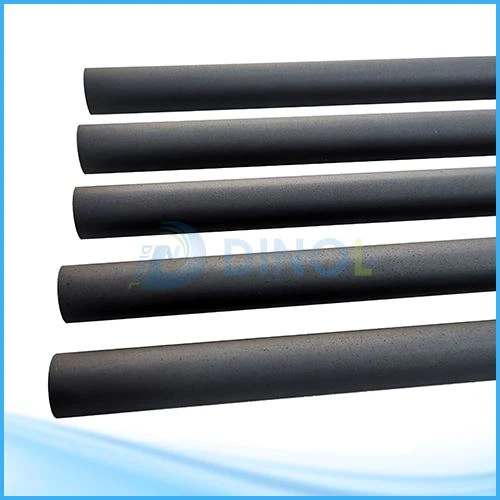
As a Tubular Titanium Anode supplier, we offer a wide range of high - quality MMO Titanium Anode Tube, Titanium Anode Tube, and MMO Tubular Anode products. Our anodes are manufactured using advanced technology and high - quality materials to ensure superior performance and durability.
If you are experiencing any of the issues mentioned above with your existing tubular titanium anodes, or if you are looking for reliable anode solutions for your new projects, we would be happy to assist you. Our team of experts can provide you with professional advice on anode selection, installation, and maintenance.

Contact Us for Procurement
We invite you to contact us for any procurement inquiries or to discuss your specific requirements. Our dedicated sales team is ready to answer your questions and help you find the best tubular titanium anode products for your application. Don't let a degraded anode coating affect the performance of your electrochemical system. Take action now and ensure the long - term success of your projects.
References
- Jones, D. A. (1996). Principles and Prevention of Corrosion. Prentice Hall.
- Fontana, M. G. (1986). Corrosion Engineering. McGraw - Hill.
- Revie, R. W. (2011). Uhlig's Corrosion Handbook. Wiley.