

What are the installation tools required for a flexible anode?
May 14, 2025
Hey there! As a supplier of flexible anodes, I've been getting a lot of questions lately about the installation tools required for these bad boys. So, I thought I'd put together a little blog post to share my knowledge and help you out.
First things first, let's talk about what a flexible anode is. A flexible anode is a type of anode used in cathodic protection systems. It's made of a flexible material, like polymer or MMO (mixed metal oxide), and it can be easily bent and shaped to fit the contours of the structure being protected. This makes it a great choice for protecting irregularly shaped structures, like pipelines, storage tanks, and offshore platforms.
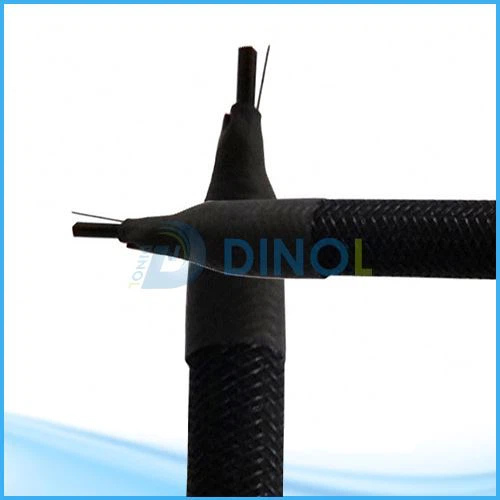
Now, let's get into the installation tools you'll need for a flexible anode. The specific tools you'll need will depend on the type of flexible anode you're using and the installation method you've chosen. But in general, here are some of the most common tools you'll need:
Measuring Tools
- Tape Measure: You'll need a tape measure to measure the length and width of the area where you'll be installing the flexible anode. This will help you determine how much anode material you'll need to purchase.
- Level: A level will help you ensure that the flexible anode is installed straight and level. This is important for ensuring that the anode provides uniform protection to the structure.
Cutting Tools
- Utility Knife: A utility knife is a must-have tool for cutting the flexible anode material to the correct length and width. Make sure you use a sharp blade to ensure a clean cut.
- Scissors: Scissors can also be used to cut the flexible anode material, especially if you're working with a thinner material. Just make sure you use a pair of sharp scissors to avoid tearing the material.
Fastening Tools
- Stapler: A stapler can be used to fasten the flexible anode material to the structure being protected. Make sure you use staples that are the correct size and type for the material you're using.
- Adhesive: Adhesive can also be used to fasten the flexible anode material to the structure. Make sure you use an adhesive that is compatible with the material you're using and the surface you're applying it to.
Electrical Tools
- Multimeter: A multimeter is a tool used to measure electrical properties, like voltage, current, and resistance. You'll need a multimeter to test the electrical connection between the flexible anode and the structure being protected.
- Wire Strippers: Wire strippers are used to remove the insulation from electrical wires. You'll need wire strippers to connect the flexible anode to the electrical system of the structure being protected.
Safety Tools
- Gloves: Gloves will protect your hands from cuts, abrasions, and chemicals. Make sure you wear gloves that are the correct size and type for the task you're performing.
- Safety Glasses: Safety glasses will protect your eyes from flying debris and chemicals. Make sure you wear safety glasses that meet the appropriate safety standards.
Now that you know what tools you'll need, let's talk about some tips for installing a flexible anode.
Tips for Installing a Flexible Anode
- Prepare the Surface: Before you install the flexible anode, make sure the surface of the structure being protected is clean and dry. This will help ensure that the anode adheres properly to the surface.
- Follow the Manufacturer's Instructions: Make sure you follow the manufacturer's instructions for installing the flexible anode. This will help ensure that the anode is installed correctly and provides the maximum amount of protection.
- Test the Electrical Connection: After you've installed the flexible anode, make sure you test the electrical connection between the anode and the structure being protected. This will help ensure that the anode is working properly and providing the necessary protection.
- Monitor the Anode: Once the flexible anode is installed, make sure you monitor it regularly to ensure that it's working properly. This will help you detect any problems early on and take corrective action before they become serious.
In conclusion, installing a flexible anode requires a few specific tools and some careful planning. By using the right tools and following the manufacturer's instructions, you can ensure that your flexible anode is installed correctly and provides the maximum amount of protection to your structure.
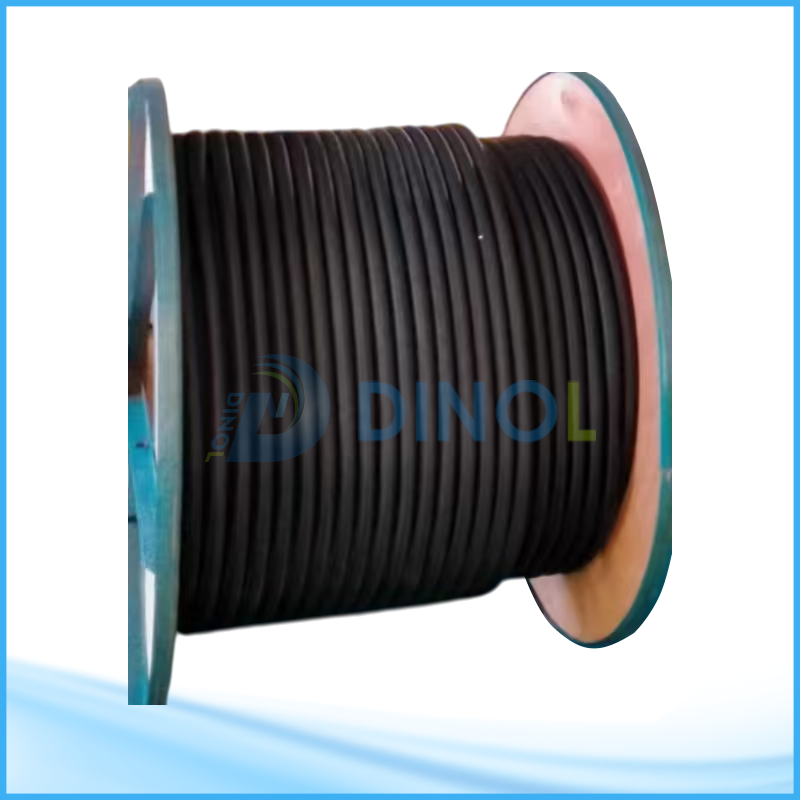
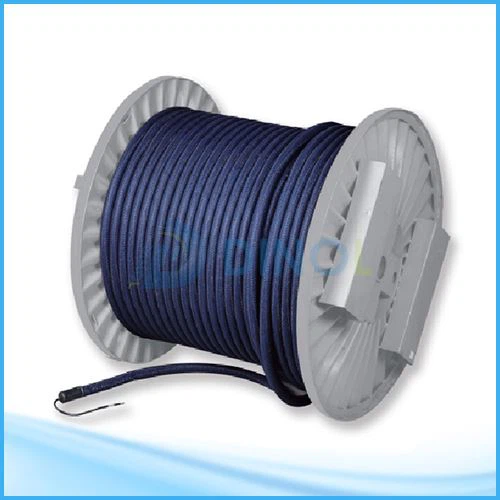
If you're interested in learning more about flexible anodes or purchasing a flexible anode for your project, check out our website at Flexible Anode For Cathodic Protection. We offer a wide range of flexible anodes, including MMO Flexible Anode and Polymer Flexible Anode, and our team of experts is always available to answer any questions you may have.
So, what are you waiting for? Contact us today to learn more about our flexible anodes and how they can help protect your structure from corrosion.
References
- "Cathodic Protection Handbook." NACE International, 2016.
- "Flexible Anodes for Cathodic Protection." Corrpro Companies, Inc., 2021.
- "Installation Guide for Flexible Anodes." Anode Engineering, Inc., 2020.