

What are the electrical requirements for a diaphragm electrolyzer?
May 29, 2025
Hey there! I'm a supplier of Diaphragm Electrolyzers, and today I wanna chat about the electrical requirements for these nifty machines.
First off, let's understand what a Diaphragm Electrolyzer is. It's a device that uses an electrical current to drive a chemical reaction. You can learn more about it Diaphragm Electrolyzer. There are different types, like the Acid Base Ion Water Diaphragm Electrolyzer and the Diaphragm Electrolyzer For Water Ionzier.
Voltage Requirements
The voltage needed for a diaphragm electrolyzer depends on several factors. One of the main ones is the type of electrolyte being used. Different electrolytes have different electrical conductivities, which means they require different voltages to drive the electrolysis process.
For example, if you're using a highly conductive electrolyte, you might be able to get away with a lower voltage. On the other hand, a less conductive electrolyte will need a higher voltage to achieve the same level of electrolysis.
Typically, diaphragm electrolyzers operate in the range of 2 to 6 volts. But this can vary widely depending on the specific application and the design of the electrolyzer. Some industrial-scale diaphragm electrolyzers might require even higher voltages to handle large volumes of electrolyte and produce significant amounts of products.
Current Requirements
The current is another crucial aspect of the electrical requirements. The current flowing through the electrolyzer determines the rate of the chemical reaction. A higher current generally means a faster rate of electrolysis, which can lead to more product being produced in a given amount of time.
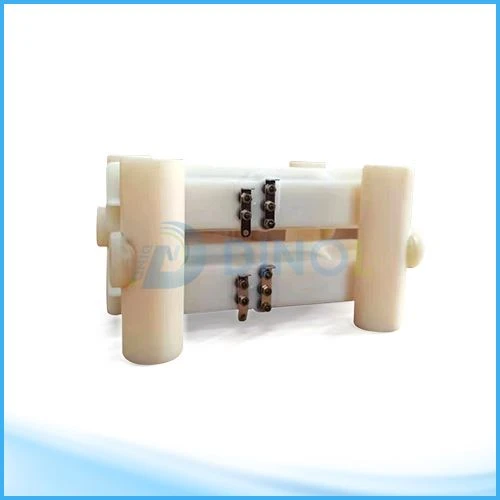

However, there's a limit to how much current you can use. If the current is too high, it can cause overheating of the electrolyzer and damage the diaphragm. This can lead to a decrease in the efficiency of the electrolyzer and even shorten its lifespan.
The current requirements also depend on the surface area of the electrodes in the electrolyzer. A larger electrode surface area can handle a higher current without overheating. So, when designing or selecting a diaphragm electrolyzer, you need to consider the size of the electrodes and how they'll affect the current requirements.
Power Supply
A stable and reliable power supply is essential for the proper functioning of a diaphragm electrolyzer. Fluctuations in the power supply can cause inconsistent electrolysis results and potentially damage the electrolyzer.
Most diaphragm electrolyzers are designed to work with a direct current (DC) power supply. This is because DC provides a steady flow of electrons, which is necessary for the electrolysis process. AC power can be converted to DC using a rectifier.
When choosing a power supply for your diaphragm electrolyzer, you need to make sure it can provide the required voltage and current. It's also a good idea to choose a power supply with some built-in protection features, like overcurrent protection and overvoltage protection. This can help prevent damage to the electrolyzer in case of a power surge or other electrical problems.
Frequency Considerations
In some cases, the frequency of the electrical supply can also affect the performance of a diaphragm electrolyzer. While most electrolyzers are designed to work with a DC power supply, there are some applications where an alternating current (AC) or a pulsed DC power supply might be used.
For example, in some research settings, pulsed DC power supplies can be used to study the effects of different current profiles on the electrolysis process. However, these are more specialized applications, and for most commercial and industrial uses, a steady DC power supply is sufficient.
Temperature and Electrical Requirements
The temperature of the electrolyte can also have an impact on the electrical requirements of a diaphragm electrolyzer. As the temperature of the electrolyte increases, its electrical conductivity generally increases as well. This means that at higher temperatures, you might be able to use a lower voltage to achieve the same level of electrolysis.
However, there's a trade-off. Higher temperatures can also cause the diaphragm to degrade more quickly. So, you need to find a balance between the temperature of the electrolyte and the electrical requirements of the electrolyzer.
Safety Precautions
When dealing with the electrical requirements of a diaphragm electrolyzer, safety should always be a top priority. Here are some important safety precautions to keep in mind:
- Proper Grounding: Make sure the electrolyzer is properly grounded to prevent electrical shocks.
- Insulation: Ensure that all electrical connections are properly insulated to prevent short circuits.
- Personal Protective Equipment (PPE): Wear appropriate PPE, like gloves and safety glasses, when working with the electrolyzer and its electrical components.
- Regular Maintenance: Regularly inspect the electrical components of the electrolyzer for any signs of wear or damage. Replace any worn-out parts immediately.
Conclusion
So, there you have it - a rundown of the electrical requirements for a diaphragm electrolyzer. As a supplier, I know how important it is to understand these requirements to ensure the proper functioning and efficiency of the electrolyzer.
If you're in the market for a diaphragm electrolyzer or have any questions about the electrical requirements, don't hesitate to reach out. We're here to help you find the right solution for your specific needs. Whether you're looking for an Acid Base Ion Water Diaphragm Electrolyzer or a Diaphragm Electrolyzer For Water Ionzier, we've got you covered.
If you're interested in learning more or discussing a potential purchase, feel free to contact us for a chat. We'd love to help you make the best choice for your electrolysis needs.
References
- Electrochemical Engineering Principles, 2nd Edition by Carl R. Koryta, Jiri Dvorak, and Ladislav Kavan
- Industrial Electrochemistry, 3rd Edition by Thomas H. Cobb, Jr. and James F. Coetzee