

What are the best connection methods for a titanium anode tube?
Jun 09, 2025
Hey there! As a supplier of Titanium Anode Tubes, I've had my fair share of experience with these bad boys. One of the most common questions I get from customers is, "What are the best connection methods for a titanium anode tube?" Well, you're in luck because I'm gonna break it down for you right here.
First off, let's talk about why the connection method is so important. A good connection ensures that the electrical current flows smoothly from the power source to the anode tube. This is crucial for the anode to work effectively in various applications, like electroplating, cathodic protection, and water treatment. If the connection is faulty, you could end up with uneven current distribution, reduced efficiency, and even damage to the anode tube over time.
Welding Connection
One of the most reliable connection methods is welding. Welding creates a permanent and strong bond between the anode tube and the connecting wire or rod. This is great because it minimizes the resistance at the connection point, allowing for efficient current transfer.
There are different types of welding that can be used. Tungsten Inert Gas (TIG) welding is a popular choice. It uses a non - consumable tungsten electrode to create the weld. The advantage of TIG welding is that it provides a clean and precise weld. It also allows you to control the heat input, which is important when working with titanium, as too much heat can cause the titanium to oxidize and lose its properties.
Another option is Metal Inert Gas (MIG) welding. MIG welding uses a consumable wire electrode, which makes the process faster compared to TIG welding. However, it might not be as precise as TIG welding, and there's a higher chance of spatter.
When welding titanium anode tubes, it's essential to use the right shielding gas. Argon is commonly used because it creates an inert environment around the weld, preventing oxidation. You also need to make sure that the surfaces to be welded are clean. Any dirt, oil, or oxide on the surface can affect the quality of the weld.
Bolted Connection
Bolted connections are another common method. They're relatively easy to install and can be disassembled if needed. This is useful for maintenance or when you need to replace the anode tube.
To make a bolted connection, you first need to drill holes in the anode tube and the connecting part. Then, you insert bolts through the holes and tighten them with nuts. It's important to use the right size of bolts and nuts to ensure a secure connection.
One thing to keep in mind with bolted connections is the contact resistance. You need to make sure that the contact surfaces are clean and flat. You can also use a conductive paste between the surfaces to reduce the resistance. This paste fills in any small gaps and improves the electrical contact.
Crimped Connection
Crimped connections involve using a crimping tool to compress a connector onto the anode tube and the connecting wire. This method is quick and doesn't require any heat, which is an advantage when you're working in an environment where heat is a concern.
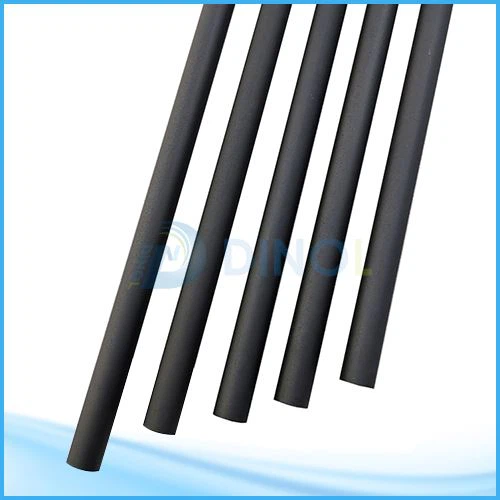
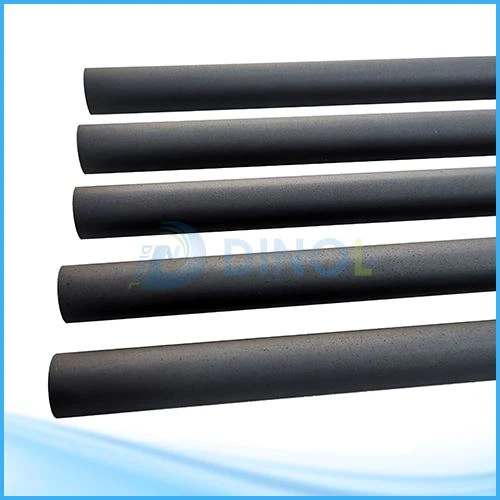
There are different types of crimp connectors available. Some are designed for specific wire sizes and anode tube diameters. When crimping, you need to make sure that the crimping tool is properly adjusted. An improper crimp can result in a loose connection, which will increase the resistance and reduce the efficiency of the anode.
Factors to Consider When Choosing a Connection Method
- Application Environment: If the anode tube is going to be used in a harsh environment, like in seawater or a highly corrosive chemical solution, a welding connection might be the best choice because it provides a more durable and corrosion - resistant connection. On the other hand, if the environment is relatively mild and you need the flexibility to disassemble the connection, a bolted or crimped connection could be more suitable.
- Current Requirements: For applications that require high current, a welding or bolted connection is usually better because they can handle the high current without overheating. Crimped connections might not be as suitable for very high - current applications.
- Cost and Time: Welding requires specialized equipment and skilled labor, so it can be more expensive and time - consuming. Bolted and crimped connections are generally cheaper and faster to install.
Our Products and Connection Solutions
As a supplier of Titanium Anode Tubes, we offer a range of high - quality products, including Iridium Oxide Coated Titanium Tube Anodes, MMO Titanium Anode Tube, and MMO Titanium Tubular Anode. We can also provide guidance on the best connection methods for your specific needs.
Whether you're a small business looking for an anode tube for a simple electroplating project or a large corporation in need of anodes for a complex water treatment system, we've got you covered. Our team of experts can help you select the right anode tube and connection method to ensure optimal performance.
Conclusion
In conclusion, choosing the best connection method for a titanium anode tube depends on several factors, including the application environment, current requirements, cost, and time. Welding, bolted, and crimped connections all have their advantages and disadvantages.
If you're in the market for a Titanium Anode Tube and need help with the connection method or have any other questions, don't hesitate to reach out. We're here to assist you in getting the most out of your anode tube. Whether it's for a short - term project or a long - term installation, we can provide the solutions you need. So, let's start a conversation and see how we can work together to meet your anode tube requirements.
References
- Jones, A. Welding Techniques for Titanium Alloys. Metalworking Journal, 2018.
- Smith, B. Electrical Connections in Electrochemical Systems. Electrochemistry Review, 2020.
- Brown, C. Maintenance and Installation of Anode Tubes. Industrial Anode Handbook, 2019.