

Is a Polymer Flexible Anode environmentally friendly?
Dec 26, 2025
In the realm of corrosion protection, Polymer Flexible Anodes have emerged as a revolutionary solution, offering a versatile and effective means of safeguarding various structures against the detrimental effects of corrosion. As a leading supplier of Polymer Flexible Anodes, I am often asked about the environmental friendliness of these innovative products. In this blog post, I aim to delve into this crucial question, exploring the environmental impact of Polymer Flexible Anodes from multiple perspectives.
Understanding Polymer Flexible Anodes
Before we assess the environmental friendliness of Polymer Flexible Anodes, it's essential to understand what they are and how they function. Polymer Flexible Anodes are a type of anode used in cathodic protection systems. Cathodic protection is a technique used to control the corrosion of a metal surface by making it the cathode of an electrochemical cell. The anode, in this case, the Polymer Flexible Anode, sacrifices itself to protect the metal structure from corrosion.
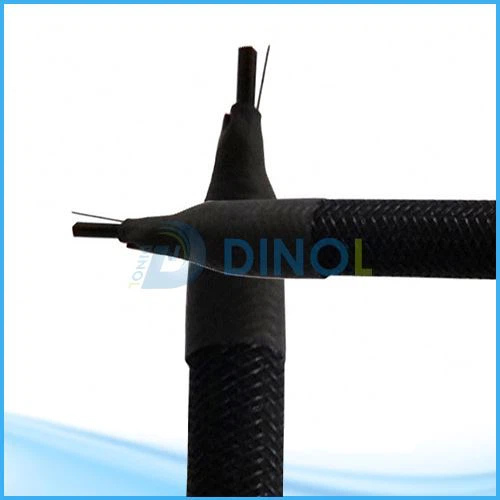
The Polymer Flexible Anode is made of a conductive polymer material that is highly flexible and can be easily installed around irregularly shaped structures. This flexibility allows for a more efficient and cost - effective installation compared to traditional rigid anodes. It is commonly used in applications such as pipelines, storage tanks, and offshore structures.
Environmental Benefits of Polymer Flexible Anodes
Reduced Material Waste
One of the significant environmental advantages of Polymer Flexible Anodes is their potential to reduce material waste. Traditional anodes often come in standard sizes and shapes, which may not fit perfectly around complex structures. This can lead to the need for cutting and modifying the anodes, resulting in wasted material. In contrast, the flexibility of Polymer Flexible Anodes allows them to conform to the shape of the structure without the need for excessive cutting or modification. This means less material is wasted during the installation process, contributing to a more sustainable approach.
Energy Efficiency
Polymer Flexible Anodes can also contribute to energy efficiency in cathodic protection systems. These anodes have a relatively low resistance, which means they require less electrical energy to operate effectively. In a large - scale cathodic protection system, such as those used in long - distance pipelines, the energy savings can be substantial. Reduced energy consumption not only lowers the operational costs but also reduces the carbon footprint associated with the production and consumption of electricity.
Long Lifespan
Another environmental benefit of Polymer Flexible Anodes is their long lifespan. A longer lifespan means that the anodes do not need to be replaced as frequently as some traditional anodes. This reduces the amount of waste generated over time and also decreases the need for the extraction and processing of new raw materials for anode production. Additionally, fewer replacements mean less disruption to the protected structure and the surrounding environment during maintenance activities.

Potential Environmental Concerns
Material Composition
While Polymer Flexible Anodes offer many environmental benefits, there are also potential concerns related to their material composition. The polymers used in these anodes are often derived from petrochemical sources. The extraction and processing of petrochemicals can have significant environmental impacts, including habitat destruction, water pollution, and greenhouse gas emissions. However, it's important to note that the industry is constantly evolving, and there are ongoing efforts to develop more sustainable polymer materials, such as bio - based polymers, which could mitigate these concerns in the future.
Disposal
At the end of their useful life, Polymer Flexible Anodes need to be disposed of properly. The disposal of polymer materials can be challenging, as they may not biodegrade easily in the environment. If not disposed of correctly, they can end up in landfills, where they may persist for long periods. However, some recycling options are being explored for polymer - based materials, which could help reduce the environmental impact of anode disposal.
Comparison with Other Anode Types
Compared to Sacrificial Anodes
Sacrificial anodes, such as zinc or aluminum anodes, are another common type of anode used in cathodic protection. These anodes are consumed over time as they sacrifice themselves to protect the metal structure. While sacrificial anodes are relatively simple and cost - effective, they have some environmental drawbacks. The extraction and refining of zinc and aluminum require significant amounts of energy and can have a high environmental impact. In contrast, Polymer Flexible Anodes have a lower energy requirement during operation and can potentially reduce material waste, making them a more environmentally friendly option in some cases.
Compared to Mixed Metal Oxide (MMO) Anodes
Mixed Metal Oxide (MMO) anodes are known for their high efficiency and long lifespan. However, the production of MMO anodes involves the use of precious metals such as iridium and ruthenium. The mining and processing of these precious metals can have severe environmental impacts, including deforestation, water pollution, and soil degradation. Polymer Flexible Anodes, on the other hand, do not rely on precious metals, which can make them a more sustainable choice from an environmental perspective.
The Role of Our Company as a Supplier
As a supplier of Polymer Flexible Anodes, we are committed to promoting environmental sustainability. We work closely with our customers to ensure proper installation and maintenance of the anodes to maximize their lifespan and efficiency. We also stay informed about the latest developments in polymer technology and are actively exploring partnerships with research institutions to develop more sustainable polymer materials for our anodes.
In addition to supplying Polymer Flexible Anodes, we also offer related products such as Cathodic Protection Cable and Flexible Anode. Our comprehensive product range allows us to provide complete cathodic protection solutions to our customers, which can further enhance the environmental performance of their corrosion protection systems.
Conclusion and Call to Action
In conclusion, Polymer Flexible Anodes offer several environmental benefits, including reduced material waste, energy efficiency, and a long lifespan. While there are some potential environmental concerns related to their material composition and disposal, the overall environmental impact of these anodes is relatively positive compared to traditional anode types.
As the demand for sustainable corrosion protection solutions continues to grow, Polymer Flexible Anodes are well - positioned to play a significant role in the industry. If you are in need of a reliable and environmentally friendly cathodic protection solution, we invite you to contact us. Our team of experts can provide you with detailed information about our Polymer Flexible Anodes and help you choose the best solution for your specific application. Let's work together to protect your structures while minimizing the environmental impact.
References
- Jones, D. A. (1996). Principles and Prevention of Corrosion. Prentice Hall.
- Fontana, M. G. (1986). Corrosion Engineering. McGraw - Hill.
- Kuznetsov, V. G. (2000). Cathodic Protection in Natural and Technical Environments. Elsevier.