

How to test the effectiveness of a Polymer Flexible Anode?
Jul 11, 2025
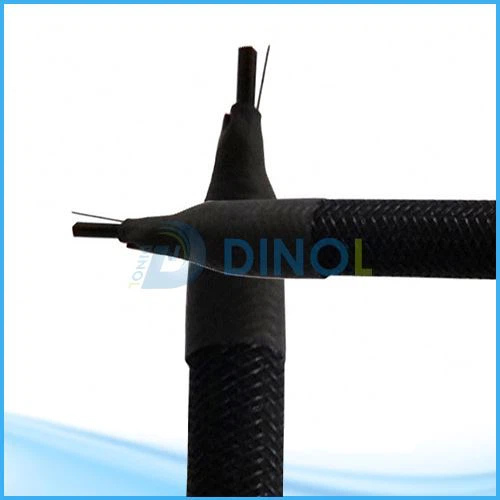
Testing the effectiveness of a Polymer Flexible Anode is a crucial step for ensuring its proper functionality in cathodic protection systems. As a supplier of Polymer Flexible Anodes, I understand the significance of reliable testing methods to provide high - quality products to our customers. In this blog, I will discuss various ways to test the effectiveness of these anodes.
1. Initial Visual Inspection
Before conducting any complex tests, a simple visual inspection is essential. A well - made Polymer Flexible Anode should have a uniform appearance. Check for any signs of physical damage such as cuts, tears, or uneven surfaces. These defects can potentially affect the anode's performance by creating areas of high resistance or by allowing electrolyte ingress, which may lead to premature failure.
Inspect the anode for proper bonding between the conductive polymer and the substrate. Any delamination can cause a break in the electrical path, reducing the anode's ability to provide the necessary protection current. Also, examine the connection points, especially if the anode is to be connected to a Cathodic Protection Cable. Loose or poorly connected cables can result in high - resistance joints, which can limit the current flow.
2. Electrical Resistance Testing
One of the most fundamental tests for a Polymer Flexible Anode is electrical resistance testing. The anode should have a low and consistent electrical resistance along its length. High resistance can impede the flow of protective current, reducing the effectiveness of the cathodic protection system.
To measure the electrical resistance, a digital multimeter can be used. Connect the probes of the multimeter at two points along the length of the anode. The measured resistance should be within the specified range provided by the manufacturer. If the resistance is too high, it could indicate a problem with the conductive polymer material, such as improper formulation or damage to the internal conductive structure.
It is also important to test the resistance at different points along the anode to ensure uniformity. Variations in resistance can lead to uneven current distribution, which may result in some areas of the protected structure receiving insufficient protection while others receive excessive current.
3. Current Output Testing
The ability of a Polymer Flexible Anode to deliver the required current is a key indicator of its effectiveness. Current output testing can be performed in a laboratory setting or in the field.
In a laboratory, a test cell can be set up. The anode is immersed in an electrolyte solution along with a reference electrode and a cathode (simulating the structure to be protected). A power source is then connected to the anode and cathode, and the current flowing between them is measured using an ammeter.
The measured current should meet or exceed the design requirements for the specific application. If the current output is lower than expected, it could be due to factors such as high resistance in the anode, improper electrolyte conditions, or a problem with the anode's chemical composition.
In the field, current output can be measured using a clamp - on ammeter. This method is non - invasive and can be used to measure the current flowing through the Cathodic Protection Cable connected to the anode. Regular monitoring of the current output over time can help detect any degradation in the anode's performance.
4. Potential Measurement
Potential measurement is another important test for evaluating the effectiveness of a Polymer Flexible Anode. The potential of the protected structure relative to a reference electrode provides information about the level of cathodic protection.
A reference electrode, such as a copper - copper sulfate reference electrode, is placed in the electrolyte near the protected structure. A voltmeter is then used to measure the potential difference between the structure and the reference electrode.
For effective cathodic protection, the potential of the structure should be within a specific range. If the potential is too positive, it indicates that the structure is not being adequately protected. On the other hand, if the potential is too negative, it may lead to over - protection, which can cause hydrogen embrittlement in some metals.
5. Long - Term Immersion Testing
Long - term immersion testing is a comprehensive way to evaluate the durability and effectiveness of a Polymer Flexible Anode. The anode is immersed in a realistic electrolyte solution for an extended period, typically several months or even years.
During the immersion period, various parameters such as current output, potential, and weight loss of the anode are monitored regularly. A decrease in current output or an increase in the anode's weight loss over time can indicate degradation of the anode material.
This test also helps to simulate real - world conditions, including the effects of temperature variations, chemical contaminants in the electrolyte, and mechanical stress. By observing the anode's performance over a long period, we can better predict its service life and reliability in actual applications.
6. Compatibility Testing
Polymer Flexible Anodes are often used in conjunction with other components in a cathodic protection system, such as Cathodic Protection Cable and coating materials. Compatibility testing is necessary to ensure that these components work well together.
The anode should be tested for chemical compatibility with the electrolyte and any coating materials used on the protected structure. Incompatible materials can react with each other, leading to the degradation of the anode or the coating.
For example, some coating materials may release chemicals that can affect the performance of the conductive polymer in the anode. By conducting compatibility tests, we can select the most suitable combination of components for a specific application.

Conclusion
Testing the effectiveness of a Polymer Flexible Anode is a multi - step process that involves various tests, from simple visual inspections to complex long - term immersion tests. As a supplier, we are committed to ensuring that our anodes meet the highest quality standards through rigorous testing procedures.
If you are in need of high - quality Polymer Flexible Anodes for your cathodic protection projects, we invite you to contact us for further discussion. Our team of experts can provide you with detailed information about our products and help you select the most suitable anode for your specific requirements.
References
- Fontana, M. G., & Greene, N. D. (1967). Corrosion Engineering. McGraw - Hill.
- Jones, D. A. (1996). Principles and Prevention of Corrosion. Prentice Hall.
- Uhlig, H. H., & Revie, R. W. (1985). Corrosion and Corrosion Control. Wiley - Interscience.