

How does the current density affect the performance of a diaphragm electrolyzer?
May 22, 2025
As a seasoned supplier of Diaphragm Electrolyzers, I've witnessed firsthand the critical role that current density plays in the performance of these remarkable devices. In this blog, I'll delve into the intricate relationship between current density and the functionality of diaphragm electrolyzers, drawing on my years of experience in the industry.
Understanding Diaphragm Electrolyzers
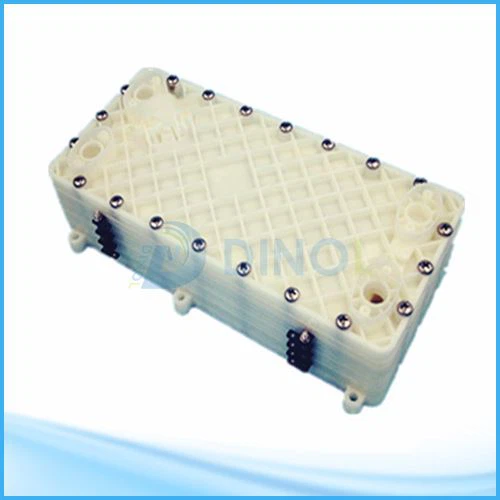
Before we explore the impact of current density, let's briefly understand what a diaphragm electrolyzer is. A diaphragm electrolyzer is a key piece of equipment used in various electrochemical processes. It consists of an anode and a cathode separated by a diaphragm. This diaphragm allows the passage of certain ions while preventing the mixing of the products formed at the anode and cathode. Diaphragm electrolyzers are widely used in applications such as water treatment, chemical synthesis, and the production of chlorine and caustic soda.
There are different types of diaphragm electrolyzers available on the market. For instance, the Acid Base Ion Water Diaphragm Electrolyzer is specifically designed for the production of acid and base ionized water, which has applications in industries like food processing and healthcare. The Diaphragm Electrolyzer For Water Ionzier is tailored for water ionizing systems, enhancing the quality of water for drinking and other uses. And the Diaphragm Electrolyzer is a more general - purpose device that can be adapted to a wide range of electrochemical processes.
The Concept of Current Density
Current density is defined as the amount of electric current flowing through a unit area of the electrode surface. It is expressed in units such as amperes per square meter (A/m²). In a diaphragm electrolyzer, the current density is a crucial parameter that influences the rate of electrochemical reactions, the efficiency of the process, and the quality of the products obtained.
Impact on Reaction Rate
One of the most significant effects of current density on a diaphragm electrolyzer is its influence on the reaction rate. According to Faraday's laws of electrolysis, the amount of substance produced or consumed at an electrode is directly proportional to the quantity of electricity passed through the electrolyte. As the current density increases, more electrons are available at the electrode surface, which leads to an increased rate of oxidation or reduction reactions.
For example, in the electrolysis of sodium chloride solution to produce chlorine gas at the anode and hydrogen gas at the cathode, a higher current density will result in a faster production of these gases. However, this relationship is not always linear. At extremely high current densities, the reaction rate may not increase proportionally due to factors such as mass transfer limitations and overpotential.
Effect on Energy Efficiency
Energy efficiency is another important aspect affected by current density. In an ideal scenario, increasing the current density should lead to a more efficient use of energy because more product is being produced per unit of time. However, in reality, there are energy losses associated with high current densities.
At high current densities, the overpotential at the electrodes increases. Overpotential is the additional voltage required to drive the electrochemical reaction at a certain rate. This extra voltage leads to increased energy consumption, reducing the overall energy efficiency of the diaphragm electrolyzer. Therefore, there is an optimal current density range where the energy efficiency is maximized. This range depends on various factors such as the type of electrolyte, the electrode materials, and the design of the electrolyzer.
Influence on Product Quality
The current density also has a profound impact on the quality of the products obtained from the diaphragm electrolyzer. In the production of chemicals, the purity and concentration of the products can be affected by the current density.
For example, in the production of caustic soda (sodium hydroxide) through the electrolysis of sodium chloride solution, a low current density may result in a lower concentration of caustic soda and a higher content of impurities. On the other hand, a very high current density can lead to the formation of side - products and a decrease in the purity of the caustic soda. Maintaining an appropriate current density is essential to ensure the production of high - quality products.
Factors Affecting the Optimal Current Density
Determining the optimal current density for a diaphragm electrolyzer is a complex process that depends on several factors.
Electrolyte Composition
The composition of the electrolyte plays a crucial role in determining the optimal current density. Different electrolytes have different conductivities, which affect the flow of electric current. For example, an electrolyte with a high concentration of ions will generally have a higher conductivity, allowing for a higher current density without excessive energy losses.
The chemical nature of the electrolyte also matters. Some electrolytes may undergo side reactions at high current densities, which can reduce the efficiency of the process and affect the product quality. Therefore, the electrolyte composition needs to be carefully considered when selecting the appropriate current density.

Electrode Materials
The choice of electrode materials is another important factor. Different electrode materials have different catalytic activities and overpotential characteristics. For example, noble metal electrodes such as platinum are highly catalytic and have low overpotentials, which allow for higher current densities with relatively low energy losses.
However, noble metals are expensive, so in many industrial applications, more cost - effective electrode materials are used. These materials may require a different optimal current density to achieve the best performance. The surface area and porosity of the electrodes also affect the current density distribution and the overall performance of the electrolyzer.
Diaphragm Properties
The properties of the diaphragm, such as its porosity, ion selectivity, and chemical stability, also influence the optimal current density. A diaphragm with high porosity allows for better ion transport, which can support a higher current density. However, if the porosity is too high, it may lead to the mixing of the anode and cathode products, reducing the efficiency of the process.
The ion selectivity of the diaphragm is crucial for preventing the passage of unwanted ions. A diaphragm with high ion selectivity can maintain a high current density while ensuring the purity of the products. Chemical stability is also important, as the diaphragm needs to withstand the harsh electrochemical environment without degradation.
Practical Considerations in Controlling Current Density
In practical applications, controlling the current density in a diaphragm electrolyzer is essential for achieving optimal performance. Here are some practical considerations:
Monitoring and Control Systems
Installing monitoring and control systems is crucial for maintaining the desired current density. These systems can continuously measure the current and voltage in the electrolyzer and adjust the electrical input accordingly. Advanced control systems can also take into account other parameters such as temperature, electrolyte flow rate, and product quality to optimize the current density in real - time.
Electrolyzer Design
The design of the diaphragm electrolyzer can also affect the current density distribution. A well - designed electrolyzer should have a uniform current density across the electrode surfaces. This can be achieved through proper electrode placement, flow channel design, and the use of current - distributing elements.
Maintenance and Upkeep
Regular maintenance and upkeep of the diaphragm electrolyzer are necessary to ensure consistent current density performance. Over time, the electrodes may become fouled or corroded, and the diaphragm may degrade. These issues can lead to non - uniform current density distribution and reduced efficiency. Therefore, routine cleaning, inspection, and replacement of components are essential.
Conclusion
In conclusion, current density is a critical factor that significantly affects the performance of a diaphragm electrolyzer. It influences the reaction rate, energy efficiency, and product quality. Determining the optimal current density requires careful consideration of factors such as electrolyte composition, electrode materials, and diaphragm properties.
As a supplier of diaphragm electrolyzers, we understand the importance of providing our customers with products that can operate at the optimal current density for their specific applications. Our Acid Base Ion Water Diaphragm Electrolyzer, Diaphragm Electrolyzer For Water Ionzier, and Diaphragm Electrolyzer are designed with advanced features to ensure efficient and reliable operation.
If you are interested in learning more about our diaphragm electrolyzers or discussing your specific requirements, we invite you to contact us for a procurement discussion. Our team of experts is ready to assist you in finding the best solution for your electrochemical needs.
References
- Newman, J., & Thomas - Alyea, K. E. (2004). Electrochemical Systems. Wiley - Interscience.
- Bard, A. J., & Faulkner, L. R. (2001). Electrochemical Methods: Fundamentals and Applications. John Wiley & Sons.
- Bockris, J. O'M., & Reddy, A. K. N. (1998). Modern Electrochemistry 2A: Fundamentals of Electrodics. Plenum Press.