

Can tubular titanium anodes be used in automotive applications?
Jun 06, 2025
Tubular titanium anodes, a cornerstone in the field of electrochemistry, have long been lauded for their exceptional durability, high efficiency, and remarkable corrosion resistance. As a leading supplier of tubular titanium anodes, I've witnessed firsthand the diverse applications these anodes serve across numerous industries. One question that often arises in discussions with clients and industry enthusiasts is whether tubular titanium anodes can be used in automotive applications. In this blog post, I'll delve into this topic, exploring the potential uses, benefits, and challenges of integrating tubular titanium anodes into the automotive sector.
The Basics of Tubular Titanium Anodes
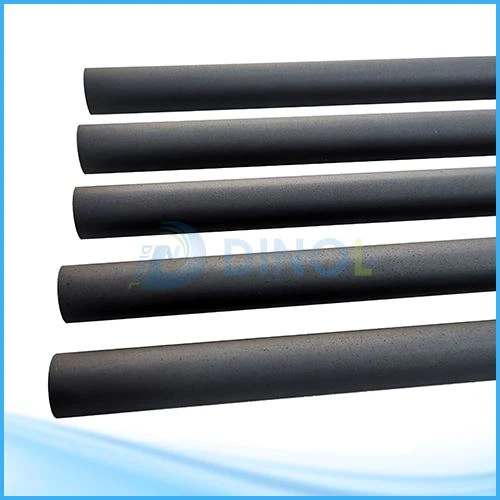
Before we dive into automotive applications, let's briefly review what tubular titanium anodes are and why they're so valuable. Tubular titanium anodes are typically made from high - grade titanium substrates coated with a mixed metal oxide (MMO) layer. This MMO coating is crucial as it enhances the anode's electrochemical performance, allowing it to efficiently conduct electricity while resisting corrosion in harsh environments.
There are several types of tubular titanium anodes available, such as the MMO Titanium Anode Tube, Mixed Metal Oxide Anode String, and MMO Tubular Anode. Each type is designed to meet specific requirements in different applications, offering a range of sizes, shapes, and coating compositions.
Potential Automotive Applications
Cathodic Protection
One of the most promising applications of tubular titanium anodes in the automotive industry is cathodic protection. Cathodic protection is a technique used to prevent corrosion of metal structures by making them the cathode of an electrochemical cell. In the automotive context, this could be applied to protect the vehicle's chassis, fuel tanks, and other critical metal components from rust and corrosion.
Tubular titanium anodes are well - suited for this purpose because of their high corrosion resistance and long service life. They can be installed in strategic locations on the vehicle, such as near the undercarriage or inside the fuel tank, to provide continuous protection against the corrosive effects of road salt, moisture, and other environmental factors.
Electroplating
Electroplating is another area where tubular titanium anodes could find use in the automotive industry. Electroplating is a process used to deposit a thin layer of metal onto a substrate to improve its appearance, durability, or electrical conductivity. In automotive manufacturing, electroplating is commonly used to coat parts such as bumpers, grilles, and wheel rims with decorative or protective metals like chrome or nickel.
Tubular titanium anodes can serve as the anode in the electroplating process. Their uniform shape and high surface area allow for efficient and consistent metal deposition, resulting in a high - quality finish on the automotive parts. Additionally, the MMO coating on the titanium anode ensures stable electrochemical performance, reducing the risk of defects in the electroplated layer.
Battery Systems
The automotive industry is rapidly transitioning towards electric vehicles (EVs), and battery technology is at the heart of this transformation. Tubular titanium anodes could potentially play a role in EV battery systems. For example, in some types of batteries, anodes need to have good electrical conductivity, chemical stability, and high surface area.
Tubular titanium anodes, with their MMO coating, could be used as part of the battery's electrode system to improve charge - discharge efficiency and battery life. Although this application is still in the research and development stage, the unique properties of tubular titanium anodes make them an interesting candidate for future EV battery designs.
Benefits of Using Tubular Titanium Anodes in Automotive Applications
Durability
Automotive components are exposed to a wide range of harsh conditions, including extreme temperatures, vibrations, and chemical exposure. Tubular titanium anodes are highly durable and can withstand these conditions without significant degradation. Their long service life means that they require less frequent replacement, reducing maintenance costs and downtime for vehicles.
Efficiency
In applications such as cathodic protection and electroplating, tubular titanium anodes offer high electrochemical efficiency. They can deliver a consistent and reliable electrical current, which is essential for achieving optimal performance in these processes. This efficiency translates into cost savings in terms of energy consumption and improved product quality.
Corrosion Resistance
As mentioned earlier, corrosion is a major concern in the automotive industry. Tubular titanium anodes are inherently resistant to corrosion, making them an ideal choice for protecting automotive components from rust and other forms of corrosion. This resistance helps to extend the lifespan of critical parts and maintain the vehicle's structural integrity.
Challenges and Considerations
Cost
One of the main challenges of using tubular titanium anodes in automotive applications is the cost. Titanium is a relatively expensive metal, and the manufacturing process for tubular titanium anodes, especially those with a high - quality MMO coating, can be complex and costly. This cost may be a barrier for some automotive manufacturers, particularly in price - sensitive markets.
Design and Integration
Integrating tubular titanium anodes into automotive systems requires careful design and engineering. The anodes need to be properly sized, positioned, and connected to ensure optimal performance. Additionally, they need to be compatible with other components in the vehicle, such as electrical systems and mechanical structures. This may require additional research and development efforts from automotive manufacturers.
Regulatory Compliance
The automotive industry is subject to strict regulations regarding safety, environmental impact, and performance. Any new technology or component, including tubular titanium anodes, needs to comply with these regulations. This may involve extensive testing and certification processes to ensure that the anodes meet all relevant standards.
Conclusion
In conclusion, tubular titanium anodes have significant potential for use in automotive applications. Their durability, efficiency, and corrosion resistance make them well - suited for cathodic protection, electroplating, and potentially battery systems in vehicles. However, challenges such as cost, design integration, and regulatory compliance need to be addressed before widespread adoption can occur.

As a supplier of tubular titanium anodes, I'm excited about the possibilities that these anodes offer in the automotive industry. We are committed to working with automotive manufacturers to overcome the challenges and develop innovative solutions that leverage the unique properties of tubular titanium anodes.
If you're an automotive manufacturer or part of the automotive supply chain and are interested in exploring the use of tubular titanium anodes in your products, I encourage you to contact us for a detailed discussion. We can provide you with technical information, samples, and customized solutions tailored to your specific needs. Let's work together to drive the future of automotive technology with the power of tubular titanium anodes.
References
- "Corrosion Science and Engineering" by John W. Diggle
- "Electroplating: Principles and Practices" by Lowenheim F. A.
- Research papers on automotive battery technology and cathodic protection in automotive applications from academic journals such as the Journal of Power Sources and Corrosion Science.