

Are there any environmental impacts of using a Hypochlorite Electrolyzer?
Dec 19, 2025
Hey there! As a supplier of Hypochlorite Electrolyzers, I often get asked about the environmental impacts of using these nifty devices. So, I thought I'd take a deep dive into this topic and share what I've learned.
First off, let's understand what a Hypochlorite Electrolyzer does. Simply put, it's a machine that uses an electrolysis process to produce sodium hypochlorite, a powerful disinfectant. Sodium hypochlorite is widely used in various industries, from water treatment to sanitation in hospitals and food processing plants.
One of the major environmental benefits of using a Hypochlorite Electrolyzer is that it can produce sodium hypochlorite on - site. Traditionally, sodium hypochlorite is transported from manufacturing plants to the end - users. This transportation involves the use of fossil fuels, which contribute to greenhouse gas emissions. When you have an on - site Hypochlorite Electrolyzer, you eliminate the need for long - distance transportation. This directly reduces the carbon footprint associated with getting the disinfectant to where it's needed.
Another positive aspect is that the raw materials for producing sodium hypochlorite in an electrolyzer are relatively simple. Usually, it's just salt (sodium chloride) and water. These are readily available and non - toxic substances. In contrast, some other disinfectants may be made from more hazardous or scarce chemicals. For example, certain chemical disinfectants might require the extraction and processing of rare minerals, which can have a significant impact on the environment.
Now, let's talk about the efficiency of Hypochlorite Electrolyzers. Modern electrolyzers are designed to be energy - efficient. They use advanced technology to minimize the amount of electricity needed to produce a given amount of sodium hypochlorite. Energy efficiency is crucial because a large portion of the world's electricity still comes from non - renewable sources like coal and natural gas. By reducing the energy consumption of the electrolyzer, we're also reducing the associated environmental impacts, such as air pollution and water pollution from power generation.
However, it's not all sunshine and rainbows. There are some potential environmental concerns as well. One of the main issues is the disposal of by - products. During the electrolysis process, there are some by - products formed, such as hydrogen gas. While hydrogen is a clean - burning fuel in theory, if it's released into the atmosphere without proper handling, it can have an impact on the ozone layer. In addition, the spent brine solution, which contains residual salt and other impurities, needs to be disposed of properly. If it's released into water bodies without treatment, it can disrupt the ecological balance of the aquatic environment.
The manufacturing process of Hypochlorite Electrolyzers also has an environmental footprint. The production of the components, such as electrodes and diaphragms, requires the use of various materials and energy. For example, some electrodes are made from titanium, which needs to be mined and processed. Mining activities can lead to deforestation, soil erosion, and water pollution. But as a responsible supplier, we're constantly looking for ways to reduce these impacts. We're working with manufacturers to use more sustainable materials and improve the manufacturing processes.
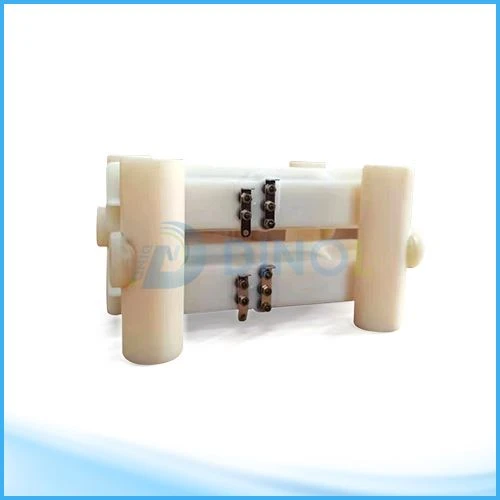
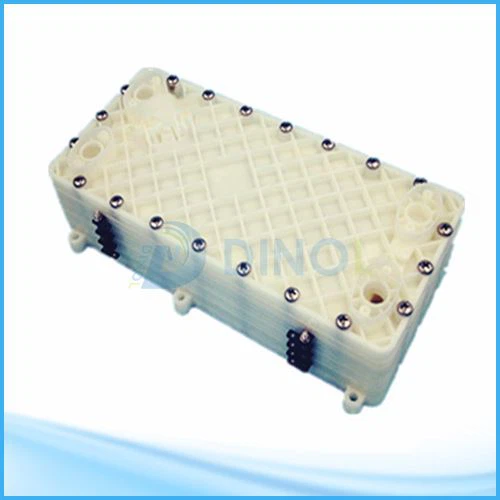
Let's take a look at different types of Hypochlorite Electrolyzers and their environmental impacts. For instance, the Acid Base Ion Water Diaphragm Electrolyzer is a specialized type. It has a unique design that can affect its energy consumption and by - product formation. This type of electrolyzer may be more efficient in certain applications, which can further reduce the environmental impact.
The Diaphragm Electrolyzer is another common type. It uses a diaphragm to separate the anode and cathode compartments, which can improve the efficiency of the electrolysis process. However, the diaphragm itself may need to be replaced periodically, and the disposal of the old diaphragms can be an environmental challenge. We're exploring options to recycle or reuse these diaphragms to minimize waste.
The Diaphragm Electrolyzer For Water Ionzier is designed for specific water treatment applications. It's important to understand the environmental implications of its operation, such as the amount of water it consumes and the quality of the treated water. If the treated water is not properly managed, it can have an impact on the local water resources.
In terms of water usage, Hypochlorite Electrolyzers do require a certain amount of water for the electrolysis process. In regions where water is scarce, this can be a concern. However, some electrolyzers are designed to be water - efficient. They use advanced water management systems to recycle and reuse the water within the electrolysis process. This helps to minimize the overall water consumption and reduce the strain on local water supplies.
To sum it up, using a Hypochlorite Electrolyzer has both positive and negative environmental impacts. On the plus side, it reduces transportation - related emissions, uses relatively benign raw materials, and can be energy - efficient. On the negative side, there are issues with by - product disposal, manufacturing impacts, and potential water consumption. But the good news is that the industry is constantly evolving. We're seeing more and more innovative solutions to address these environmental concerns.
If you're in the market for a Hypochlorite Electrolyzer, I encourage you to consider the environmental aspects. Look for an electrolyzer that is energy - efficient, has a good water management system, and comes from a supplier that is committed to sustainability. And if you have any questions or want to discuss your specific needs, don't hesitate to reach out. We're here to help you make an informed decision and find the best solution for your disinfection requirements. Whether you're a small business or a large industrial facility, we can work together to ensure that you're using a Hypochlorite Electrolyzer in an environmentally responsible way.
References
- "Electrochemical Production of Hypochlorite: Principles and Applications" - Journal of Electrochemical Science
- "Environmental Impact Assessment of Disinfectant Production Methods" - Environmental Science Review