

What are the applications of titanium conductor bars in electrical systems?
Jul 17, 2025
Titanium conductor bars have emerged as a crucial component in modern electrical systems, offering a unique combination of properties that make them suitable for a wide range of applications. As a leading supplier of titanium conductor bars, I am excited to explore the diverse uses of these remarkable materials in electrical systems.
High - Voltage Power Transmission
One of the primary applications of titanium conductor bars is in high - voltage power transmission. In large - scale power grids, efficient and reliable transmission of electricity over long distances is essential. Titanium conductor bars are well - suited for this task due to their excellent electrical conductivity and high strength - to - weight ratio.
Compared to traditional copper or aluminum conductors, titanium can withstand higher mechanical stresses without significant deformation. This is particularly important in overhead power lines, where conductors are exposed to wind, ice, and other environmental factors. The high strength of titanium conductor bars reduces the risk of breakage, ensuring a more stable power supply.
Moreover, titanium has good corrosion resistance. In coastal areas or industrial regions where the air contains corrosive substances such as salt or sulfur dioxide, traditional conductors may corrode over time, leading to increased resistance and power losses. Titanium conductor bars, on the other hand, can maintain their performance for a longer period, reducing maintenance costs and improving the overall efficiency of the power transmission system.
Electrical Switchgear
Electrical switchgear is used to control, protect, and isolate electrical equipment in power systems. Titanium conductor bars play a vital role in switchgear due to their ability to handle high currents. When a large amount of current flows through a conductor, it generates heat. Excessive heat can damage the conductor and other components in the switchgear.
Titanium has a relatively high melting point and good thermal conductivity. This allows it to dissipate heat effectively, preventing overheating and ensuring the safe operation of the switchgear. Additionally, the high strength of titanium conductor bars enables them to be used in compact switchgear designs. As the demand for more space - efficient electrical equipment increases, the use of titanium conductor bars becomes even more attractive.
In switchgear applications, the surface finish of the conductor bars is also important. Titanium can be easily processed to achieve a smooth surface, which reduces electrical contact resistance. This is crucial for minimizing power losses and ensuring reliable electrical connections within the switchgear.
Electrochemical Processes
Titanium conductor bars are widely used in electrochemical processes, such as electroplating, electrolysis, and electro - winning. In these processes, an electric current is passed through an electrolyte solution to deposit a metal onto a substrate or to extract a metal from its ore.
Titanium is an excellent choice for conductor bars in electrochemical cells because it is chemically inert in many electrolyte solutions. It does not react with the electrolyte, which means that it will not contaminate the process or be consumed during the electrochemical reaction. This property is especially important in high - purity metal production processes, where any contamination can affect the quality of the final product.
For example, in the electroplating of precious metals like gold or silver, the use of titanium conductor bars ensures a clean and efficient plating process. The high electrical conductivity of titanium allows for a uniform distribution of current across the electrode surface, resulting in a more consistent and high - quality plating.
In addition to its chemical inertness, titanium conductor bars can withstand the harsh operating conditions in electrochemical cells, including high temperatures and high - intensity electric fields. This makes them a reliable and long - lasting choice for these demanding applications.

Cathodic Protection Systems
Cathodic protection is a technique used to prevent the corrosion of metal structures, such as pipelines, storage tanks, and offshore platforms. Titanium conductor bars are an integral part of many cathodic protection systems.
In impressed current cathodic protection (ICCP) systems, an external power source is used to supply a direct current to the metal structure to be protected. Titanium conductor bars are often used as anodes in ICCP systems. They are connected to the positive terminal of the power source and are immersed in an electrolyte (usually seawater or soil).
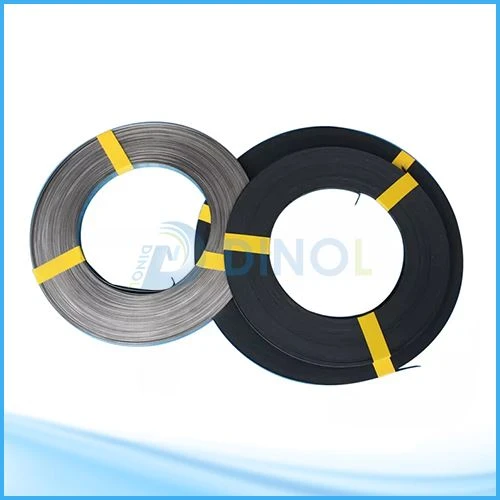
The MMO Titanium Ribbon Anode is a type of anode that combines the advantages of titanium conductor bars with mixed metal oxide (MMO) coatings. The MMO coating enhances the electrochemical performance of the anode, allowing for efficient current distribution and long - term stability.
The MMO Ribbon And Ti Conductor Bar and MMO Ribbon Anodes and Titanium Conductor Bar are also commonly used in cathodic protection applications. These products provide a reliable and cost - effective solution for protecting large - scale metal structures from corrosion.
Renewable Energy Systems
Renewable energy sources, such as solar and wind power, are becoming increasingly important in the global energy mix. Titanium conductor bars are finding applications in these renewable energy systems as well.
In solar power plants, titanium conductor bars can be used in the electrical interconnection of solar panels. The high electrical conductivity and corrosion resistance of titanium ensure efficient power transfer from the solar panels to the inverter and the grid. Additionally, the lightweight nature of titanium makes it easier to install and support in solar panel arrays, especially in large - scale solar farms.
In wind turbines, titanium conductor bars can be used in the electrical control and power transmission systems. The harsh environmental conditions in wind farms, including high winds, temperature variations, and exposure to moisture, require conductors that are durable and reliable. Titanium conductor bars meet these requirements, providing a stable electrical connection and reducing the risk of power outages.
Conclusion
In conclusion, titanium conductor bars have a wide range of applications in electrical systems, from high - voltage power transmission to renewable energy systems. Their unique properties, such as high strength, good electrical conductivity, corrosion resistance, and thermal stability, make them an ideal choice for many demanding electrical applications.
As a supplier of titanium conductor bars, we are committed to providing high - quality products that meet the specific needs of our customers. Whether you are involved in power generation, electrical equipment manufacturing, or corrosion protection, our titanium conductor bars can offer you a reliable and cost - effective solution.
If you are interested in learning more about our titanium conductor bars or would like to discuss your specific requirements, please feel free to contact us for a procurement negotiation. We look forward to working with you to meet your electrical system needs.
References
- Jones, D. A. (2016). Principles and Prevention of Corrosion. Pearson.
- Groover, M. P. (2017). Fundamentals of Modern Manufacturing: Materials, Processes, and Systems. Wiley.
- Kreysa, G., et al. (2013). Industrial Electrochemistry. Wiley - VCH.