

How to prevent scaling in a Hypochlorite Electrolyzer?
May 15, 2025
Scaling in a hypochlorite electrolyzer is a common and troublesome issue that can significantly impact the efficiency and lifespan of the equipment. As a reliable hypochlorite electrolyzer supplier, I understand the challenges faced by users in dealing with scaling problems. In this blog, I will share some effective strategies to prevent scaling in a hypochlorite electrolyzer, ensuring its optimal performance and long - term reliability.
Understanding the Causes of Scaling
Before delving into prevention methods, it's crucial to understand what causes scaling in a hypochlorite electrolyzer. Scaling typically occurs when dissolved minerals in the feedwater, such as calcium, magnesium, and other metal ions, precipitate out of the solution and form solid deposits on the electrodes and other internal components of the electrolyzer.
The electrolysis process in a hypochlorite electrolyzer involves the decomposition of salt (usually sodium chloride) in water to produce hypochlorous acid and other by - products. During this process, changes in pH, temperature, and ion concentration can trigger the precipitation of these minerals. For example, an increase in pH near the cathode can cause calcium carbonate to precipitate, leading to scale formation.
Water Pretreatment
One of the most effective ways to prevent scaling is through proper water pretreatment. The quality of the feedwater has a direct impact on the likelihood of scaling in the electrolyzer.
Filtration
Installing a high - quality filtration system is the first step in water pretreatment. A multi - stage filtration system can remove suspended solids, sediment, and large particles from the water. This not only reduces the risk of physical blockages in the electrolyzer but also helps prevent the accumulation of impurities that can contribute to scaling. For instance, a sand filter can effectively remove larger particles, while a carbon filter can adsorb organic matter and chlorine, which may react with minerals in the water.

Softening
Water softening is another essential pretreatment step. Hard water, which contains high levels of calcium and magnesium ions, is a major culprit in scaling. Ion - exchange water softeners can be used to replace calcium and magnesium ions with sodium ions. By reducing the hardness of the feedwater, the risk of scale formation due to these minerals is significantly decreased.
Reverse Osmosis (RO)
For applications where extremely high - quality water is required, reverse osmosis can be employed. RO systems use a semi - permeable membrane to remove a wide range of dissolved solids, including minerals, salts, and heavy metals. This can provide near - pure water to the electrolyzer, virtually eliminating the potential for scaling caused by dissolved minerals.
Electrolyzer Design and Operation
The design and operation of the hypochlorite electrolyzer also play a crucial role in preventing scaling.
Electrode Material and Configuration
Choosing the right electrode material is important. Electrodes made of corrosion - resistant materials can withstand the harsh chemical environment inside the electrolyzer and reduce the likelihood of scale adhesion. For example, titanium electrodes coated with precious metals such as ruthenium or iridium are commonly used in hypochlorite electrolyzers due to their excellent corrosion resistance and catalytic properties.
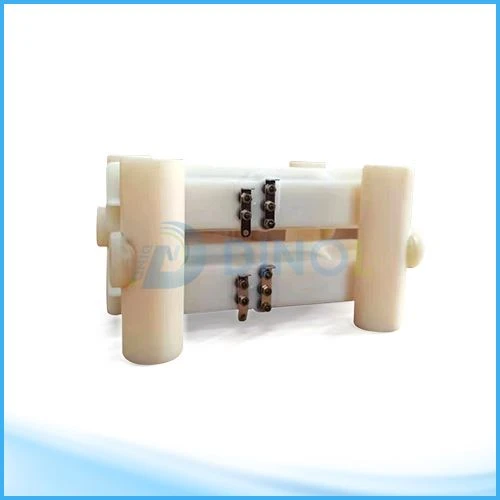
The configuration of the electrodes can also affect scaling. Proper spacing between electrodes ensures uniform flow of the electrolyte and reduces the formation of stagnant areas where scale can accumulate.

Flow Rate and Mixing
Maintaining an appropriate flow rate of the electrolyte through the electrolyzer is essential. A sufficient flow rate helps to prevent the accumulation of ions near the electrodes, reducing the probability of scale formation. Additionally, effective mixing of the electrolyte can ensure a more uniform distribution of ions, minimizing local concentration gradients that can trigger scaling.
Temperature Control
Controlling the temperature of the electrolyzer is another important factor. Higher temperatures can increase the solubility of some minerals, reducing the likelihood of precipitation. However, excessive temperatures can also accelerate corrosion and other chemical reactions. Therefore, it is necessary to maintain the electrolyzer at an optimal temperature range, which is typically specified by the manufacturer.
Chemical Additives
In some cases, chemical additives can be used to prevent scaling.
Scale Inhibitors
Scale inhibitors are chemicals that can prevent the precipitation and growth of scale crystals. These additives work by interfering with the crystallization process of minerals, keeping them in solution. For example, polyphosphates can be added to the feedwater to sequester calcium and magnesium ions, preventing them from forming scale.
pH Adjusters
Adjusting the pH of the electrolyte can also help prevent scaling. In a hypochlorite electrolyzer, maintaining the appropriate pH can control the solubility of minerals. For example, slightly acidic conditions can prevent the precipitation of calcium carbonate. However, it is important to note that the pH adjustment should be carefully controlled to avoid negative impacts on the electrolysis process and the integrity of the electrodes.
Regular Maintenance and Monitoring
Regular maintenance and monitoring are essential for preventing scaling in a hypochlorite electrolyzer.
Cleaning
Periodic cleaning of the electrolyzer is necessary to remove any scale that may have formed. Depending on the type and severity of the scale, different cleaning methods can be used. For example, a mild acid solution can be used to dissolve carbonate - based scales, while mechanical cleaning may be required for more stubborn deposits.
Inspection
Regular inspection of the electrolyzer components, including electrodes, membranes, and flow channels, can help detect early signs of scaling. By identifying scaling problems early, appropriate measures can be taken to prevent further damage to the equipment.
Monitoring Water Quality
Continuously monitoring the quality of the feedwater and the electrolyte is crucial. Parameters such as hardness, pH, and conductivity should be regularly measured to ensure that the water quality is within the acceptable range for the electrolyzer operation.
Types of Hypochlorite Electrolyzers and Scaling Prevention
Different types of hypochlorite electrolyzers may have specific scaling prevention requirements. For example, the [Ionic Exchange Membrane Cell](/titanium - electrolyzer/hypochlorite - electrolyzer/ionic - exchange - membrane - cell.html) uses a special membrane to separate the anode and cathode compartments. Maintaining the integrity of the membrane is essential to prevent scaling and ensure efficient operation. Any damage to the membrane can lead to the mixing of ions and increase the risk of scaling.
The [Acid Base Ion Water Diaphragm Electrolyzer](/titanium - electrolyzer/hypochlorite - electrolyzer/acid - base - ion - water - diaphragm - electrolyzer.html) and the [Diaphragm Electrolyzer For Water Ionzier](/titanium - electrolyzer/hypochlorite - electrolyzer/diaphragm - electrolyzer - for - water - ionzier.html) rely on diaphragms to separate the electrodes. These diaphragms need to be kept clean and free from blockages to ensure proper ion flow and prevent scaling.
Conclusion
Preventing scaling in a hypochlorite electrolyzer requires a comprehensive approach that includes water pretreatment, proper electrolyzer design and operation, the use of chemical additives, and regular maintenance and monitoring. By implementing these strategies, users can significantly reduce the risk of scaling, improve the efficiency of the electrolyzer, and extend its service life.
As a hypochlorite electrolyzer supplier, we are committed to providing high - quality products and comprehensive technical support to help our customers address scaling issues. If you are interested in our hypochlorite electrolyzers or need more information on scaling prevention, please feel free to contact us for further discussion and procurement negotiations.
References
- "Electrochemical Engineering" by Carl R. Dasheim.
- "Water Treatment Handbook" by the Water Quality Association.
- Technical documents and research papers related to hypochlorite electrolyzer operation and maintenance.