

How to choose the right tubular titanium anode for my application?
Nov 10, 2025
Selecting the appropriate tubular titanium anode for your specific application is a crucial decision that can significantly impact the efficiency, longevity, and overall performance of your electrochemical system. As a reputable tubular titanium anode supplier, I understand the complexities involved in this process and am here to guide you through the key considerations.
Understanding Tubular Titanium Anodes
Tubular titanium anodes are widely used in various electrochemical applications due to their excellent corrosion resistance, high electrical conductivity, and long service life. These anodes are typically coated with mixed metal oxides (MMO), which enhance their electrocatalytic activity and make them suitable for a wide range of environments.
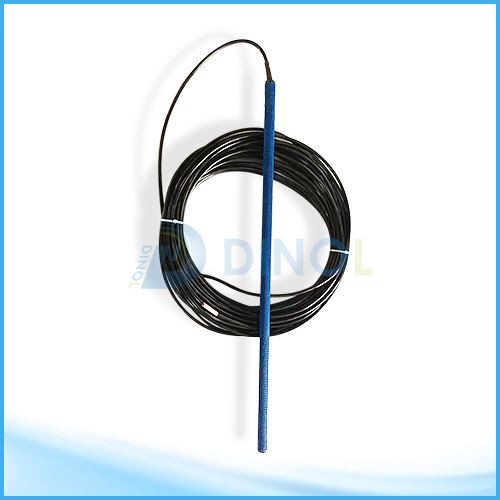

The MMO Coated Titanium Tube Anode is a popular choice for many applications. The MMO coating provides a stable and efficient electrode surface, allowing for the effective transfer of electrons during the electrochemical process. This type of anode is commonly used in impressed current cathodic protection (ICCP) systems, electroplating, and water treatment.
Key Factors to Consider
Application Requirements
The first step in choosing the right tubular titanium anode is to clearly define your application requirements. Consider the following aspects:
- Electrolyte Composition: Different electrolytes have varying chemical properties that can affect the performance of the anode. For example, acidic electrolytes may require an anode with a more corrosion-resistant coating, while alkaline electrolytes may need an anode with specific electrocatalytic properties.
- Operating Conditions: Factors such as temperature, pressure, and flow rate can also impact the anode's performance. High temperatures may accelerate the degradation of the anode coating, while high flow rates may cause mechanical damage.
- Current Density: The required current density for your application will determine the size and number of anodes needed. Higher current densities generally require larger anodes or a greater number of smaller anodes to ensure uniform current distribution.
Anode Design
The design of the tubular titanium anode is another important factor to consider. The following design features can affect the anode's performance:
- Tube Diameter and Wall Thickness: The diameter and wall thickness of the anode tube can influence its mechanical strength and electrical conductivity. A thicker wall may provide greater mechanical stability, but it may also increase the resistance and reduce the current efficiency.
- Anode Length: The length of the anode tube should be selected based on the size and geometry of the application. Longer anodes may be required for larger structures or systems with complex geometries to ensure adequate coverage.
- Coating Type and Thickness: The type and thickness of the MMO coating can significantly impact the anode's electrocatalytic activity and service life. Different coating compositions are available to suit specific applications, and the coating thickness should be optimized to balance performance and cost.
Compatibility with Other Components
It is essential to ensure that the tubular titanium anode is compatible with other components in your electrochemical system. Consider the following:
- Cathode Material: The choice of cathode material can affect the overall performance of the system. The anode and cathode should be selected to ensure a compatible electrochemical reaction and minimize the risk of corrosion or other compatibility issues.
- Connection and Mounting: The anode should be properly connected and mounted to ensure a reliable electrical connection and mechanical stability. Consider the type of connection (e.g., threaded, welded, or clamped) and the mounting method (e.g., vertical or horizontal) based on the application requirements.
- Electrical Wiring: The electrical wiring used to connect the anode to the power source should be selected based on the current capacity and voltage requirements of the system. Proper wiring installation is crucial to prevent electrical losses and ensure safe operation.
Specific Application Examples
Impressed Current Cathodic Protection (ICCP) Systems
ICCP systems are widely used to protect metal structures from corrosion in various environments, such as offshore platforms, pipelines, and storage tanks. In an ICCP system, the tubular titanium anode is used to supply a controlled electrical current to the structure, which counteracts the natural corrosion process.
For ICCP applications, the Anode Tube With Cable is a convenient option. The pre-attached cable simplifies the installation process and ensures a reliable electrical connection. When selecting an anode for an ICCP system, consider the following:
- Environment: The type of environment (e.g., seawater, soil, or freshwater) will determine the appropriate anode coating and design. Seawater applications typically require an anode with a high chlorine evolution potential to prevent the formation of hydrogen gas.
- Structure Geometry: The size and shape of the structure to be protected will influence the number and placement of the anodes. Complex geometries may require the use of multiple anodes or anodes with special shapes to ensure uniform current distribution.
- Design Life: The expected design life of the ICCP system should be considered when selecting the anode. Anodes with a longer service life may be more cost-effective in the long run, especially for large-scale applications.
Electroplating
Electroplating is a process used to deposit a thin layer of metal onto a substrate for decorative or functional purposes. Tubular titanium anodes are commonly used in electroplating applications due to their excellent corrosion resistance and high electrical conductivity.
In electroplating, the Mixed Metal Oxide Anode String is a popular choice. This type of anode consists of multiple anode tubes connected in series, which provides a large surface area for efficient metal deposition. When choosing an anode for electroplating, consider the following:
- Plating Metal: Different metals require different electroplating conditions and anode coatings. For example, plating with precious metals such as gold or silver may require an anode with a specific electrocatalytic coating to ensure high-quality deposits.
- Plating Bath Composition: The composition of the plating bath, including the electrolyte and additives, can affect the anode's performance. The anode should be selected to be compatible with the plating bath chemistry to prevent contamination or other issues.
- Plating Rate and Quality: The desired plating rate and quality will determine the current density and anode design. Higher plating rates may require a larger anode surface area or a higher current density, but this should be balanced with the quality of the deposits.
Supplier Considerations
When choosing a tubular titanium anode supplier, it is important to consider the following:
- Quality and Reliability: Look for a supplier with a proven track record of providing high-quality anodes. Check for certifications and quality control measures to ensure that the anodes meet industry standards.
- Technical Support: A reliable supplier should offer technical support to help you select the right anode for your application. They should be able to provide advice on anode design, installation, and maintenance.
- Customization Options: Some applications may require custom-designed anodes to meet specific requirements. Choose a supplier that can offer customization options to ensure that the anode is tailored to your needs.
- Cost and Delivery: Compare the prices and delivery times of different suppliers to find the best value for your money. However, do not compromise on quality for the sake of cost.
Conclusion
Choosing the right tubular titanium anode for your application is a critical decision that requires careful consideration of various factors. By clearly defining your application requirements, understanding the key factors to consider, and selecting a reliable supplier, you can ensure that you choose an anode that will provide optimal performance and longevity.
If you have any questions or need further assistance in choosing the right tubular titanium anode for your application, please do not hesitate to contact us. We are a leading supplier of tubular titanium anodes and are committed to providing our customers with high-quality products and excellent technical support. Let's work together to find the best solution for your electrochemical needs.
References
- Jones, D. A. (2010). Principles and Prevention of Corrosion. Pearson Prentice Hall.
- Revie, R. W. (2011). Uhlig's Corrosion Handbook. Wiley.
- Fontana, M. G. (1986). Corrosion Engineering. McGraw-Hill.