

How does the wear of a titanium anode tube occur and how to prevent it?
Nov 18, 2025
Hey there! As a supplier of Titanium Anode Tubes, I've seen firsthand how important it is to understand the wear and tear of these essential components. In this blog, I'll break down how the wear of a titanium anode tube occurs and share some tips on how to prevent it.
How Does the Wear of a Titanium Anode Tube Occur?
1. Chemical Corrosion
One of the primary causes of wear in titanium anode tubes is chemical corrosion. When these anodes are used in electrolytic processes, they're constantly exposed to various chemicals. For example, in a salt - water environment, chloride ions can react with the titanium surface. Chloride ions are quite aggressive and can break down the protective oxide layer on the titanium anode tube. Once this layer is compromised, the underlying titanium metal becomes vulnerable to further corrosion.
The reaction with chloride ions can lead to pitting corrosion. Pitting is a form of localized corrosion where small holes or pits form on the surface of the anode tube. These pits can gradually deepen over time, weakening the structure of the tube. If left unchecked, pitting corrosion can cause the anode tube to fail prematurely, leading to a decrease in the efficiency of the electrolytic process.
2. High - Current Density
Another factor that contributes to the wear of titanium anode tubes is high - current density. When a large amount of current passes through the anode tube, it generates a significant amount of heat. This heat can cause thermal stress on the tube. The expansion and contraction of the metal due to the temperature changes can lead to cracking and delamination of the coating on the anode tube.
In addition, high - current density can also accelerate the electrochemical reactions on the anode surface. This can lead to a faster consumption of the active coating on the titanium anode tube. For instance, if the anode tube has a mixed metal oxide (MMO) coating, high - current density can cause the MMO coating to degrade more rapidly, reducing its effectiveness in facilitating the desired electrochemical reactions.
3. Mechanical Abrasion
Mechanical abrasion is also a common cause of wear in titanium anode tubes. During installation, maintenance, or normal operation, the anode tubes can come into contact with other objects. For example, if the anode tubes are installed in a system where there is a lot of movement or vibration, they may rub against other components. This rubbing can cause the outer surface of the anode tube to wear down.

In some cases, the presence of solid particles in the electrolyte can also cause mechanical abrasion. These particles can act like abrasives, scraping against the surface of the anode tube as the electrolyte flows around it. Over time, this abrasion can remove the protective coating and expose the underlying titanium metal to corrosion.
How to Prevent the Wear of Titanium Anode Tubes?
1. Select the Right Coating
One of the most effective ways to prevent the wear of titanium anode tubes is to select the right coating. A good coating can provide a protective barrier between the titanium metal and the corrosive environment. As a supplier, we offer a variety of coatings, such as the Mixed Metal Oxide Anode String. The MMO coating is highly resistant to chemical corrosion and can withstand high - current densities.
The MMO coating contains a mixture of metal oxides that are carefully selected to provide excellent electrochemical performance. These metal oxides can enhance the conductivity of the anode tube and reduce the overpotential, which in turn reduces the energy consumption during the electrolytic process. By choosing the right MMO coating, you can significantly extend the service life of the titanium anode tube.
2. Control the Current Density
Controlling the current density is crucial for preventing the wear of titanium anode tubes. You should design the electrolytic system in such a way that the current density remains within the recommended range. This can be achieved by adjusting the number of anode tubes, the size of the anode tubes, and the applied voltage.
For example, if you need to increase the current in the system, instead of increasing the current density on a single anode tube, you can add more anode tubes. This way, the total current is distributed evenly among the anode tubes, reducing the stress on each individual tube. Regular monitoring of the current density is also important. You can use ammeters and other electrical measuring devices to keep track of the current density and make adjustments as needed.
3. Minimize Mechanical Abrasion
To minimize mechanical abrasion, proper installation and maintenance procedures should be followed. During installation, make sure that the anode tubes are properly secured and there is no risk of them rubbing against other components. You can use appropriate insulation materials to prevent direct contact between the anode tubes and other objects.
In addition, if the electrolyte contains solid particles, you can install a filtration system to remove these particles. This will reduce the abrasion caused by the solid particles on the surface of the anode tube. Regular inspection of the anode tubes is also necessary to detect any signs of mechanical damage early on. If any damage is found, it should be repaired or the anode tube should be replaced promptly.
4. Maintain the Electrolyte Environment
Maintaining the electrolyte environment is essential for preventing the wear of titanium anode tubes. You should control the pH, temperature, and chemical composition of the electrolyte. For example, in a salt - water environment, you can adjust the pH of the electrolyte to a slightly alkaline level. This can help to reduce the aggressiveness of the chloride ions and prevent pitting corrosion.
Regularly monitoring the electrolyte parameters and making adjustments as needed can ensure that the environment is favorable for the long - term performance of the titanium anode tubes. You can also add corrosion inhibitors to the electrolyte to further protect the anode tubes from chemical corrosion.
Our Product Range
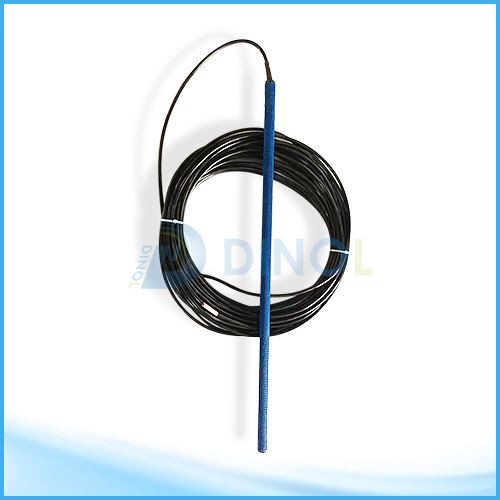
As a supplier of titanium anode tubes, we offer a wide range of products to meet different customer needs. Our Anode Tube With Cable is designed for easy installation. The pre - attached cable ensures a reliable electrical connection, reducing the risk of loose connections that can lead to high - resistance and increased wear.
We also have the MMO Titanium Tubular Anode. This anode tube features a high - quality MMO coating that provides excellent electrochemical performance. The MMO coating is carefully formulated to resist chemical corrosion and high - current densities, ensuring a long service life.
Contact Us for Procurement
If you're in the market for high - quality titanium anode tubes, we'd love to have a chat with you. Whether you're looking to prevent the wear of your existing anode tubes or are in need of new ones, we can provide you with the right solutions. We have the expertise and the product range to meet your specific requirements. So, don't hesitate to reach out and start a procurement discussion with us.
References
- Jones, D. A. (1992). Principles and Prevention of Corrosion. Macmillan Publishing Company.
- Fontana, M. G. (1986). Corrosion Engineering. McGraw - Hill.
- Revie, R. W. (2008). Uhlig's Corrosion Handbook. John Wiley & Sons.