

Platinum Coated Titanium Anode – Core Electrolytic Component For Hydrogen Water Cups And Household Hydrogen Generators
Jul 26, 2026
Platinum Coated Titanium Anode – Core Electrolytic Component for Hydrogen Water Cups and Household Hydrogen Generators
With the growing popularity of hydrogen-rich drinking equipment, electrode materials directly determine the hydrogen production stability, water safety and overall service life of hydrogen water cups and desktop household hydrogen generators. Platinum coated titanium anodes have become mainstream core accessories for mid-to-high-end hydrogen production equipment.
Manufactured with high-purity TA1 titanium as the substrate, platinum coated titanium anodes feature a dense and uniform platinum catalytic layer deposited on the titanium base via precision electroplating technology. They combine the outstanding structural strength and corrosion resistance of titanium with the excellent electrocatalytic performance of platinum, making them perfectly suitable for electrolytic hydrogen production in pure water systems. During the operation of hydrogen water cups and small hydrogen generators, oxygen evolution reaction continuously takes place on the anode. The platinum coating effectively prevents the titanium substrate from forming an insulating passivation oxide film, so electrolysis efficiency will not decline gradually after long-term operation.
Compared with bare titanium electrodes and simple coated electrodes, platinum coated titanium anodes have remarkable advantages. Platinum features stable chemical properties. No heavy metal leaching occurs during electrolysis, avoiding water contamination and complying with safety standards for drinking water equipment. The electrode delivers low reaction overpotential, stably generating high concentration dissolved hydrogen under equal power supply with balanced gas output. Bubbles detach smoothly to prevent rising energy consumption caused by adhered bubbles. Furthermore, the compact platinum layer isolates water from the titanium substrate. The electrode resists acid, alkali and oxidation corrosion. The coating hardly peels off under repeated startup-shutdown cycles and continuous long-time electrolysis, greatly extending the replacement cycle of electrolytic assemblies inside hydrogen water cups.
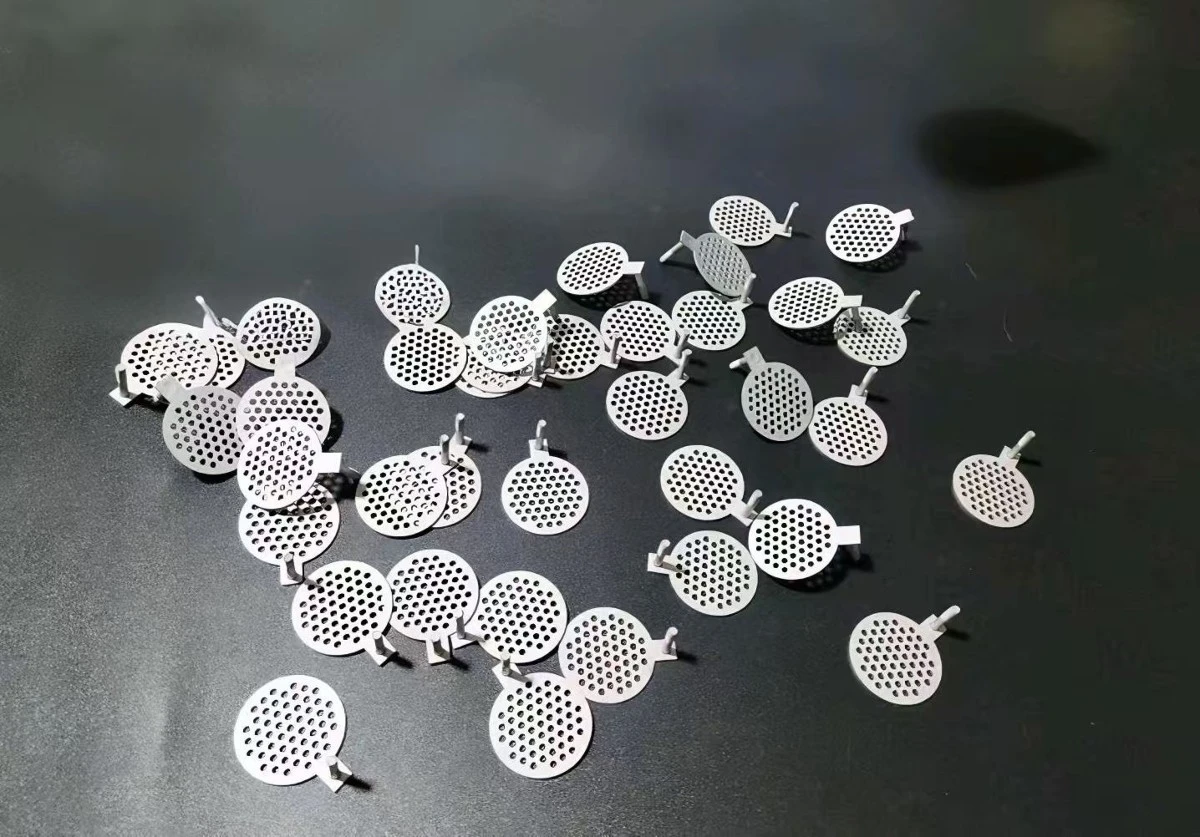
The products can be processed into perforated round sheets, thin titanium mesh, special-shaped electrodes and other forms to fit the internal structure of various portable hydrogen water cups, tabletop hydrogen generators and beauty hydrogen enrichment instruments. Customization on platinum coating thickness, electrode dimensions and conductive terminal structure is available. The electrodes match two mainstream hydrogen production solutions: open electrolysis and SPE proton exchange membrane hydrogen-oxygen separation. They are the preferred electrode solution for hydrogen equipment manufacturers to upgrade product quality and reduce after-sales failures.


