What is the difference between VV cable and YJV cable?
Dec 13, 2023
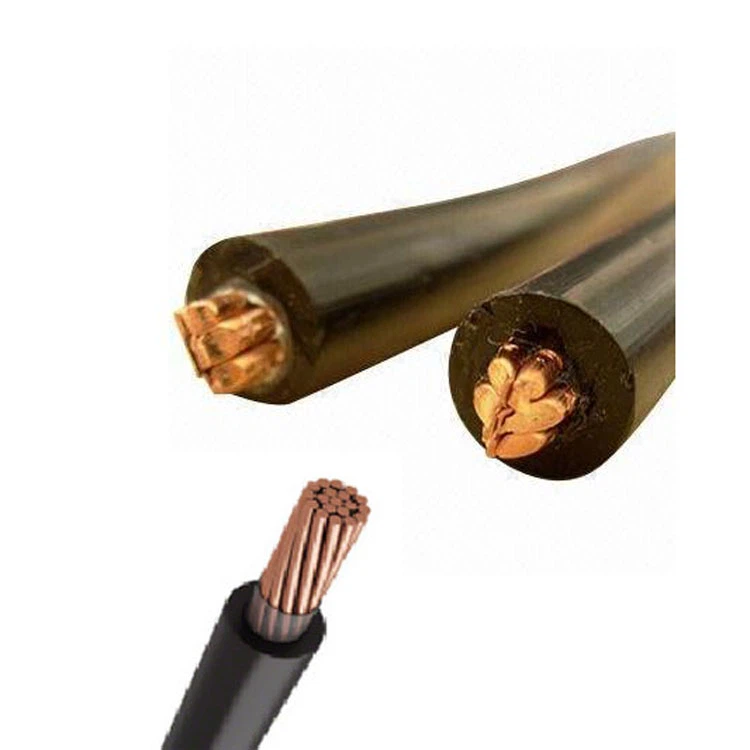
YJV cables and VV cables are basically the same in function. They both belong to the category of power cables used to transmit and distribute electrical energy, but their differences are also obvious. The following is a detailed introduction to the differences between the two.
1. The difference between names and insulation raw materials
1) VV cable is called copper core PVC insulated PVC sheathed power cable, YJV cable is called copper core cross-linked polyethylene insulated PVC sheathed power cable, and YJV insulation material is cross-linked polyethylene; VV insulation material uses polyvinyl chloride.
2) VV is plastic cable, YJV is cross-linked cable, and the insulation layer performance of YJV cable is better than that of plastic cable.
Plastic cable: plastic insulated and sheathed power cable, referred to as plastic cable.
Cross-linked cable: A cable whose insulation layer is made of cross-linked material. The most commonly used material is cross-linked polyethylene (XLPE).
3) YJV has cross-linking treatment on the insulating material to increase the heat resistance temperature, while VV does not.
2. Differences in usage characteristics
1) Operating temperature - the maximum rated operating temperature of VV power cable conductors is 70 degrees Celsius, and the maximum temperature during short circuit (duration less than 5 seconds) does not exceed 160 degrees Celsius;
The maximum rated operating temperature of YJV cross-linked cable conductors is 90 degrees Celsius, and the maximum temperature during short circuit (duration less than 5 seconds) does not exceed 250 degrees Celsius.
2) Carrying capacity - The working temperature of YJV cable reaches 90 degrees, while VV is only 70 degrees. YJV cable with the same cross-sectional area has a large carrying capacity.
3. The allowable carrying capacity of a conductor depends on its allowable operating temperature
The difference in working voltage range: Normally, the working voltage range of YJV cable is 6~500KV, while the working voltage range of VV cable is 1~6KV. Therefore, VV power cables are generally used in low-voltage environments, while YJV covers high, medium and low-voltage environments. This is why the manufacturing process level of YJV cables is higher.
4. The difference between price and lifespan
For the same specifications and models, the price of YJV cables is slightly more expensive than that of VV. This may be the reason why VV power cables are still surviving. However, YJV has a longer service life, is more resistant to high temperatures, and is safer. In the long run and in terms of safety factors, using YJV cables is more cost-effective.
Finally, it is recommended to choose YJV cable for residential projects, which is safer and more environmentally friendly. If the budget is really limited, you can choose to use VV power cables in non-inhabited places where voltage and temperature requirements are not high. All in all, the general trend is that YJV cross-linked cables and cables are gradually replacing VV cables.