

Can a Polymer Flexible Anode be used in aquaculture?
Dec 18, 2025
Hey there! I'm a supplier of Polymer Flexible Anodes, and I've been getting a lot of questions lately about whether these anodes can be used in aquaculture. So, I thought I'd write this blog to share my thoughts and some scientific insights on the matter.
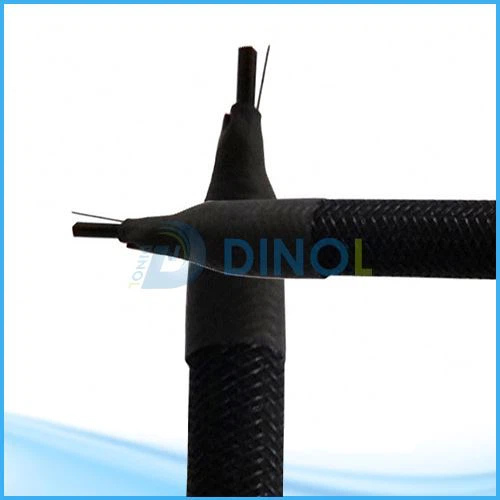
First off, let's talk a bit about what Polymer Flexible Anodes are. These anodes are a type of flexible anode that's made from a polymer material. They're known for their flexibility, which makes them easy to install in various shapes and sizes of structures. You can check out more about them here: Polymer Flexible Anode.
Now, when it comes to aquaculture, there are a few key factors we need to consider before deciding if a Polymer Flexible Anode is a good fit. Aquaculture involves the farming of aquatic organisms like fish, shellfish, and plants in controlled environments such as ponds, tanks, or cages. These environments are often filled with water that can be corrosive to the metal structures used in the aquaculture setup.
One of the main functions of an anode in any system is cathodic protection. Cathodic protection is a technique used to control the corrosion of a metal surface by making it the cathode of an electrochemical cell. In simple terms, it helps prevent the metal from rusting or corroding. There are different types of anodes available for cathodic protection, and another popular option is the MMO Ti Linear Anode. But today, we're focusing on the Polymer Flexible Anode.
Advantages of Using Polymer Flexible Anodes in Aquaculture
Let's start with the good stuff. There are several reasons why a Polymer Flexible Anode could be a great choice for aquaculture.
1. Flexibility
As the name suggests, these anodes are flexible. This is a huge advantage in aquaculture because the structures used in this industry come in all sorts of shapes and sizes. For example, fish cages can have complex geometries, and it can be difficult to install a rigid anode in such a setup. A Polymer Flexible Anode can be easily bent, shaped, and wrapped around these structures, ensuring complete coverage and effective cathodic protection. You can find more about flexible anodes for cathodic protection here: Flexible Anode For Cathodic Protection.
2. Resistance to Corrosion
Aquaculture water can be quite corrosive due to the presence of salts, acids, and other chemicals. Polymer Flexible Anodes are designed to be resistant to corrosion, which means they can last longer in these harsh environments. This reduces the need for frequent replacements, saving both time and money in the long run.
3. Ease of Installation
Installing a Polymer Flexible Anode is relatively easy compared to other types of anodes. You don't need any special tools or equipment, and it can be done by anyone with basic DIY skills. This is especially important in aquaculture, where time is of the essence, and any downtime can result in significant losses.
4. Cost-Effectiveness
In general, Polymer Flexible Anodes are more cost-effective than some other types of anodes. They have a lower initial cost, and their long lifespan means that you won't have to spend a lot of money on replacements. This makes them a great option for aquaculture farmers who are looking to keep their costs down.
Challenges of Using Polymer Flexible Anodes in Aquaculture
Of course, it's not all sunshine and rainbows. There are also some challenges associated with using Polymer Flexible Anodes in aquaculture.

1. Compatibility with Aquatic Life
One of the main concerns is the potential impact of the anode on the aquatic life in the aquaculture system. The anode releases ions into the water as part of the cathodic protection process, and these ions could potentially be harmful to the fish, shellfish, or plants. However, most Polymer Flexible Anodes are designed to release only harmless ions, but it's still important to test the anode in a small-scale setup before using it in a large aquaculture operation.
2. Environmental Conditions
Aquaculture environments can vary widely in terms of temperature, pH, and salinity. These environmental conditions can affect the performance of the Polymer Flexible Anode. For example, extreme temperatures can cause the polymer material to expand or contract, which could potentially damage the anode. It's important to choose an anode that is specifically designed to withstand the environmental conditions in your aquaculture setup.
3. Electrical Conductivity
The effectiveness of a Polymer Flexible Anode depends on its electrical conductivity. In some cases, the water in an aquaculture system may have low electrical conductivity, which could reduce the performance of the anode. To overcome this issue, you may need to add a conductive material to the water or use a different type of anode.
Scientific Studies and Evidence
There have been several scientific studies conducted on the use of anodes in aquaculture, but there is still relatively limited research specifically focused on Polymer Flexible Anodes. However, some studies have shown that cathodic protection can be an effective way to prevent corrosion in aquaculture structures. For example, a study published in the Journal of Aquaculture Research and Development found that using anodes in fish cages significantly reduced the corrosion rate of the metal structures.
Another study conducted by a group of researchers at a leading university investigated the performance of different types of anodes in simulated aquaculture environments. The results showed that Polymer Flexible Anodes performed well in terms of corrosion protection, but further research is needed to fully understand their long-term effects on aquatic life.
Conclusion
So, can a Polymer Flexible Anode be used in aquaculture? The answer is yes, but with some considerations. These anodes have several advantages, including flexibility, resistance to corrosion, ease of installation, and cost-effectiveness. However, there are also some challenges, such as compatibility with aquatic life, environmental conditions, and electrical conductivity.
If you're an aquaculture farmer or involved in the aquaculture industry, I recommend doing some more research and testing before making a decision. You can also reach out to me as a supplier. I can provide you with more information about our Polymer Flexible Anodes and help you determine if they're the right choice for your aquaculture setup. If you're interested in discussing further or making a purchase, don't hesitate to get in touch. We can have a detailed chat about your specific needs and see how our anodes can fit into your aquaculture system.
References
- Journal of Aquaculture Research and Development, [Title of relevant study], [Year of publication]
- Research study by [University name], [Title of study], [Year of publication]